
With our annual Steel Convention recently held in Sydney, the key themes of Participate Innovate Evolve warrant amplification in this edition of Steel Australia.
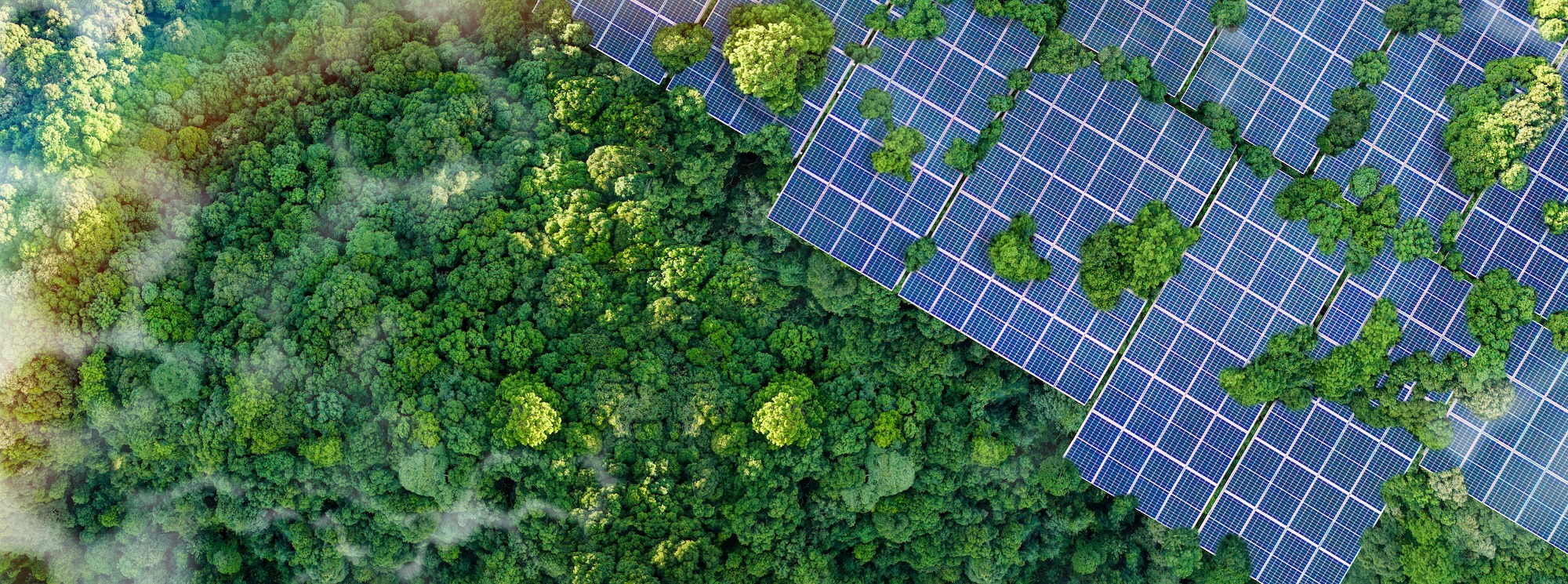
Green steel and the pathway to decarbonisation for our industry remains a key focus for the ASI in terms of demystifying the roadmap to net-zero emissions and advocating for that pathway to be sensible, achievable, and practicable for all industry participants. As an Australian steel community, we are all aware of the expectations of society in having a future that is less carbon intense than our past, and we are aware of what that means in terms of changing expectations of carbon intensity, and reusability of components, within built structures.
Similarly, as we look to the carbon intensity of our industry energy supplies of the future, society is becoming frustrated with the implementation of viable renewable energy sources not keeping pace with the published plans of governments in terms of when fossil fuelled power will be turned down as a percentage of total power generation. This mismatch between current experience and intended aspiration is the stability and affordability of power for our steel industry. We advocate for long-term energy stability such that we can navigate the intersection of energy transition and efficiency improvements.
In the five short years since COVID-19 disrupted societies across the world, we, like many other industries have encountered rapid changes in labour availability, skills retention, cost escalation, and profound changes in the way work is done. Across the world manufacturers, designers, constructors, fabricators, and all throughout the steel supply chain, are responding to these structural shifts by increasing the rate of technology adoptions – leveraging artificial intelligence, robotics, automation, and emerging technologies to lift productivity, improve cost structures and to delight customers.
We are all now walking a pathway that is paved with digital technologies. This pathway is moving fast and will get faster. This pathway is challenging for some, and a breeze for others. This pathway is unwinding far into the future where the lessons learned today provide us ability to foresee tomorrow and to plan our forward journey. The ASI is focussed on how our industry adapt and evolve itself in a rapidly changing world.
From an international trade perspective, we continue to work extensively on how we can support our local fabrication industry respond to the continued growth of low-priced imported fabricated steel which has escalated to a level where the viability of many local firms has been compromised. The ASI website provides regular updates on this matter, and I take this opportunity to assure members that the ASI management, and your ASI Board, see this as a critical priority.
We have moved on far past advocating for the needs of industry and have assembled a dedicated team of internal and external experts to develop the requisite formal submissions for Federal Government agencies to assess the damage to local businesses from imported goods which we will assert as being unfairly traded. We understand that some affected fabricators do not believe we are acting fast enough to bring attention to this situation. I seek the industry’s collective understanding that we are moving as quickly as we can, through a range of formal processes that cannot be ignored, to ensure we present a robust and acceptable argument to government.
The four examples I have outlined all have relevance to the themes of Participate Innovate and Evolve. Global conditions require us to Evolve as an industry to be competitive and relevant for the future. Both factors require us all to Innovate to do better tomorrow than what we do today. As an Australian industry we are not acting in isolation of one another and our Participation in solutions that strengthen our industry for the future are paramount.
Tony Schreiber
Chair, ASI