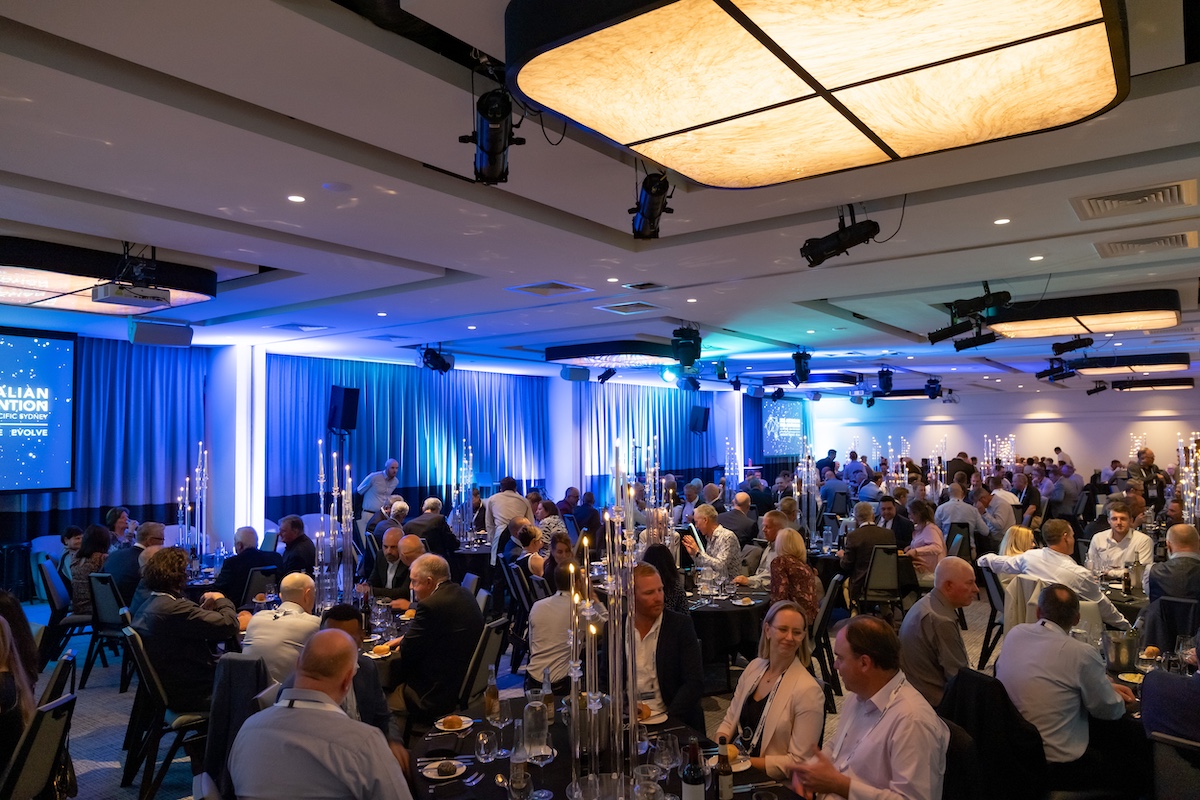
Structural Challenge was named joint winner of the 2025 ASI Steel Sustainability Awards in the Company Achievement (Small) category. Based in the Melbourne suburb of Dandenong South, the team at Structural Challenge has lifted environmental performance, strengthened social impact, and tightened governance across its operation, underpinned by Steel Sustainability Australia (SSA) certification.
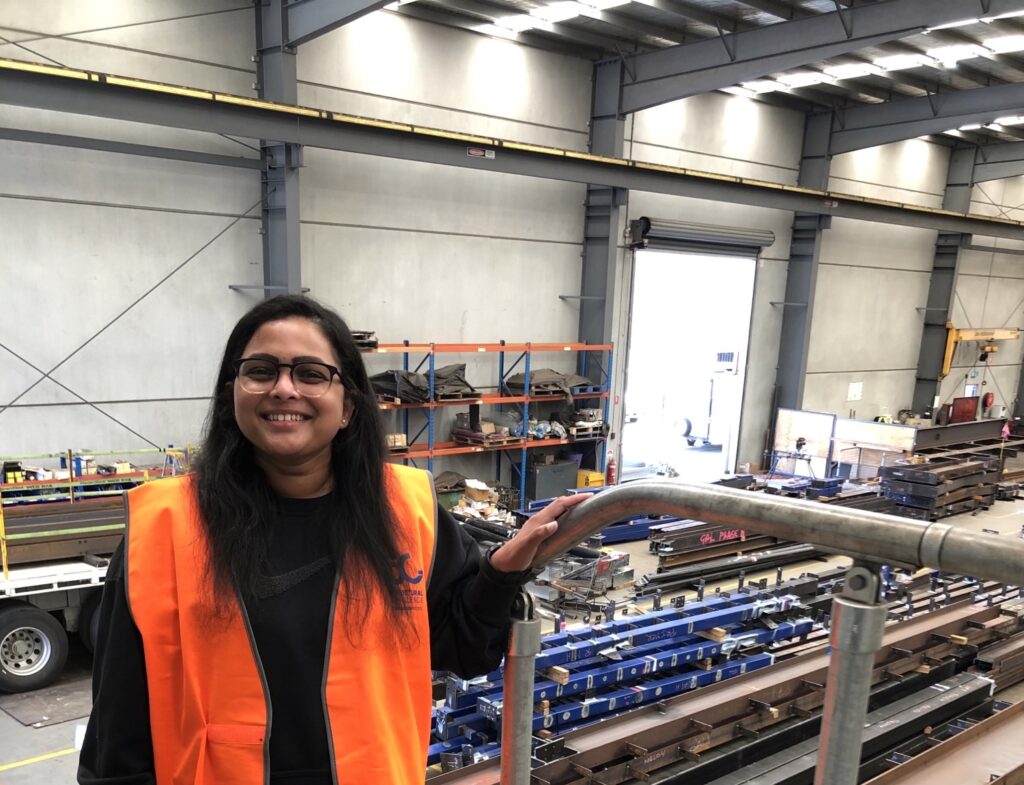
Structural Challenge is a client-focused, service-oriented structural steel fabricator. With services extending right through to
design, detailing and erection, Structural Challenge works across the commercial, health, education and infrastructure sectors.
Measurable cuts to energy and waste
Structural Challenge has turned sustainability into muscle memory—energy trimmed where it counts, waste tracked and recovered, and provenance built into every piece of steel.
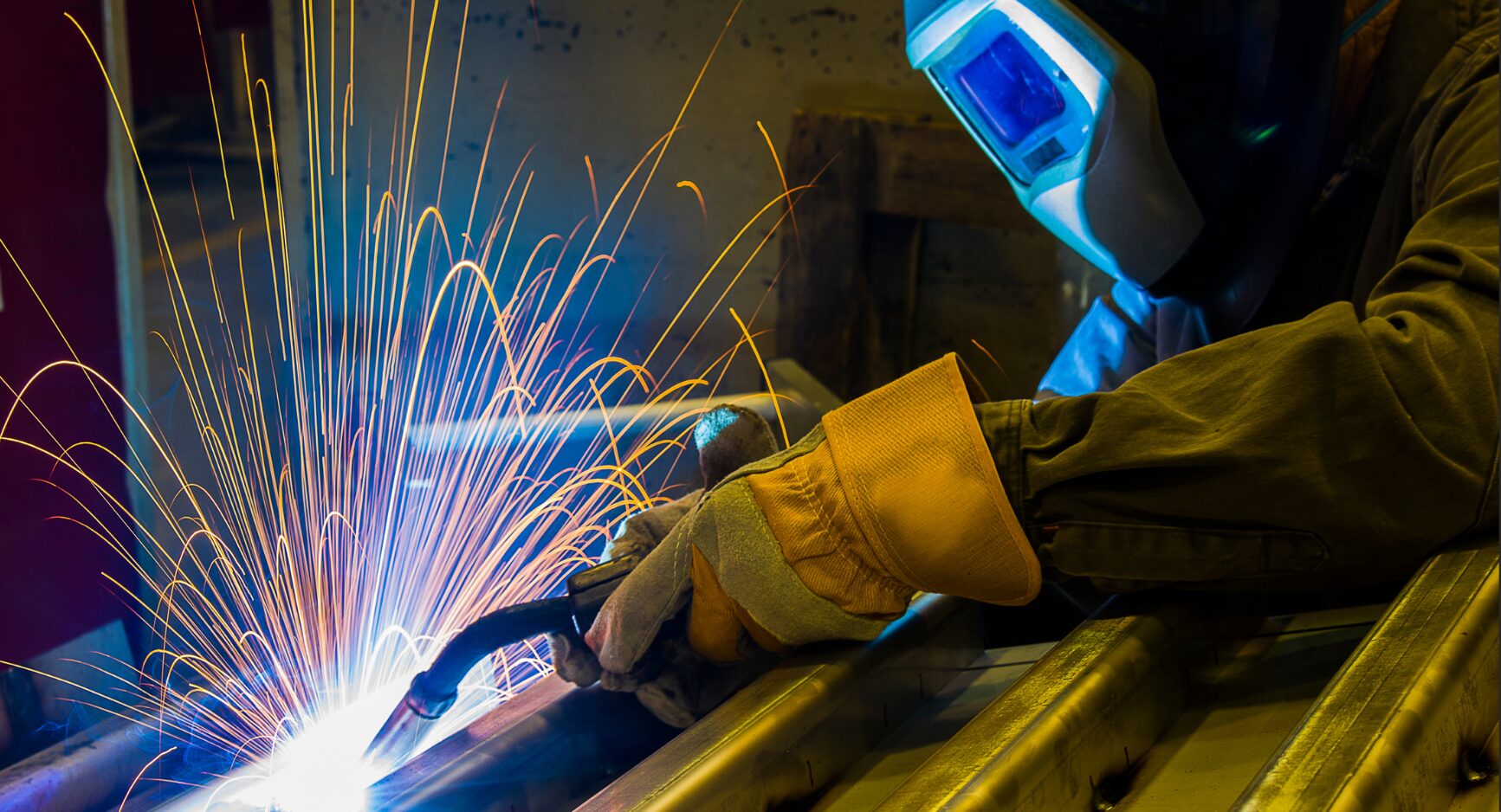
Energy is where the workshop wins stack up. Upgraded welding equipment has cut power use by around 15% year-on-year; a full LED changeover has removed roughly 20,000kWh from annual consumption.
Rooftop solar generated 102.29MWh in 2023 and 105.33MWh in 2024, further reducing grid reliance and emissions. Taken together, these moves are the kind of cumulative, quietly compounding efficiency the steel sector needs.
Materials are managed with the same intent. All steel is sourced from ACRS-certified mills, with a preference for suppliers aligned to Green Building Council of Australia criteria—practices that lift supply-chain transparency even when projects don’t mandate it.
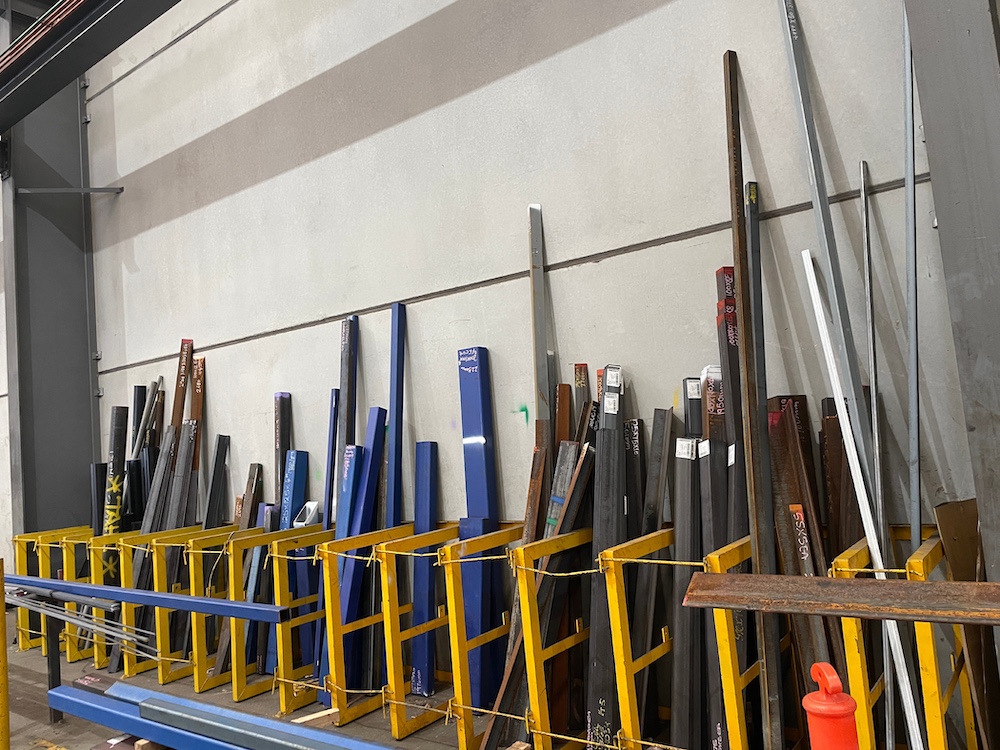
Structural Challenge has recycling programs in place, aligning with their Reduce, Reuse, Recycle policy. In the yard, any offcuts that have the potential to be used (anything over 1.8m in length) is stored and added to their inventory and stock list with the material certificate for traceability purposes.
Structural Challenge has also introduced Strumis Software to track the inventory and material certificates to enhance their planning for future projects.
As a result, across the last two years, more than 226 tonnes of steel scrap has been diverted from landfill.
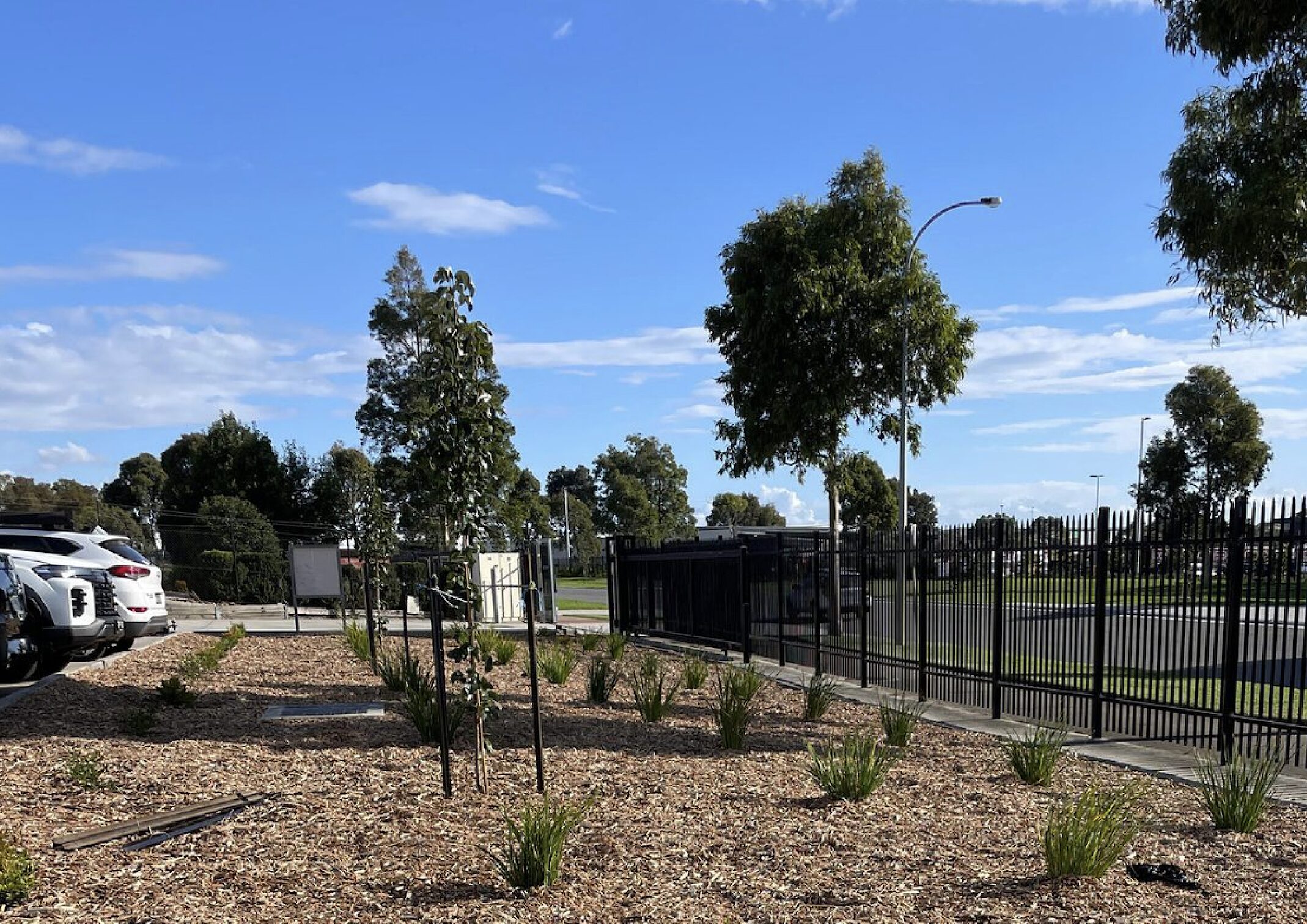
The recycling ledger doesn’t stop at steel offcuts. In the last two years, Structural Challenge has recycled 15.5kg of batteries and 14.82kg of toner cartridges, and returned 1,066 plastic containers. They also recently down-cycled all their damaged and unused wooden pallets into garden mulch.
Governance, traceability and Green Star thinking
The company treats every job as a de-facto Green Star project—whether or not the client mandates it—baking in higher baselines for procurement, waste minimisation and reporting.
All steel is sourced from ACRS-certified mills; preferred suppliers align with Green Building Council of Australia criteria. Digital traceability spans barcode-based inventory, piece-by-piece tracking on CC3 projects (and available on others).
An environmental management plan is prepared for each project, while assessments keep modern slavery risk in the “low” category. Policies covering inclusion, community engagement and conduct round out a robust governance framework.
Investing in people and community
Sustainability is cultural as much as technical. Structural Challenge runs confidential Mental Health One-on-One sessions facilitated by trained staff, supporting employee wellbeing and helping reduce the stigma surrounding mental health. The company conducts a variety of events through out the year as per their Health and Wellbeing Plan, and celebrates cultural diversity days.
The business sponsors local causes—from Bentleigh Greens SC to the Steel Club of Victoria—and fundraises for Pancare and the National Breast Cancer Foundation (including a recent $3,500 effort).
On skills, Structural Challenge engages with local TAFE and universities, offering site tours and careers days, and is growing pathways with apprentices (including women in the workshop).
The Managing Director’s “Steel Chicks” social enterprise further champions gender inclusion across the sector with events and training.
Certified and continuous improvement
Structural Challenge achieved SSA Level 3 in November 2023 and maintains certification through to 1 April 2026, validating its systems for responsible sourcing, data integrity and continuous improvement.
For small fabricators, the blueprint is pragmatic—upgrade the energy users that count; generate your own power; measure and recover materials; insist on certified inputs; digitise traceability; and invest in people. Structural Challenge shows that when these levers move together, sustainability becomes business-as-usual, and award-winning