Ceejay Engineering achieves dual certification
For almost three decades, Ceejay Engineering has built its reputation on solving complex fabrication, machining and engineering challenges for some of Western Australia’s most demanding industries. Now, the Welshpool-based business has reached an important new milestone, achieving dual certification to AS/NZS 5131 Construction Category 3 and AS/NZS ISO 3834 Part 2 through Steel Compliance Australia.
Together, AS/NZS 5131 and AS/NZS ISO 3834 certifications independently verify Ceejay’s systems and capability for complex structural steel fabrication and comprehensive welding quality management. They also position the company strongly for future work in sectors where compliance, traceability and technical assurance are receiving greater scrutiny.
“Ceejay Engineering is a Western Australian fabrication, machining and engineering business based in Welshpool,” said Angelino Henry, business development manager.
“The business has been operating since 1997 and has grown from a smaller workshop with one man Joseph our managing director and one small machine; Into a multi-capability engineering business supporting the mining, oil and gas, transport, defence and infrastructure sectors.”
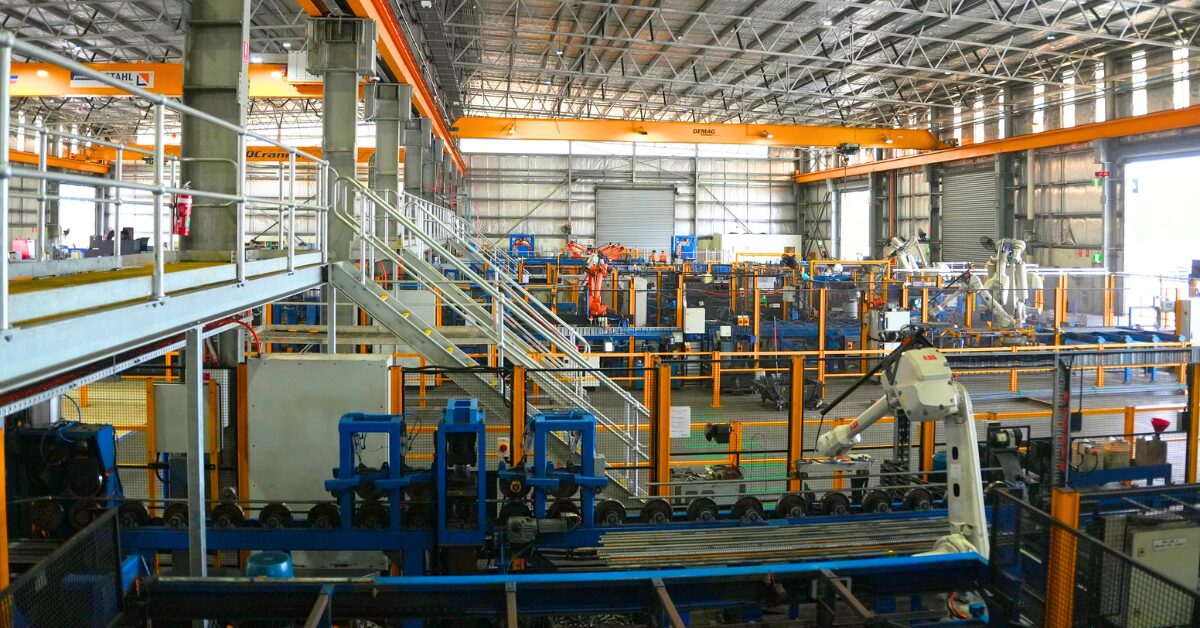
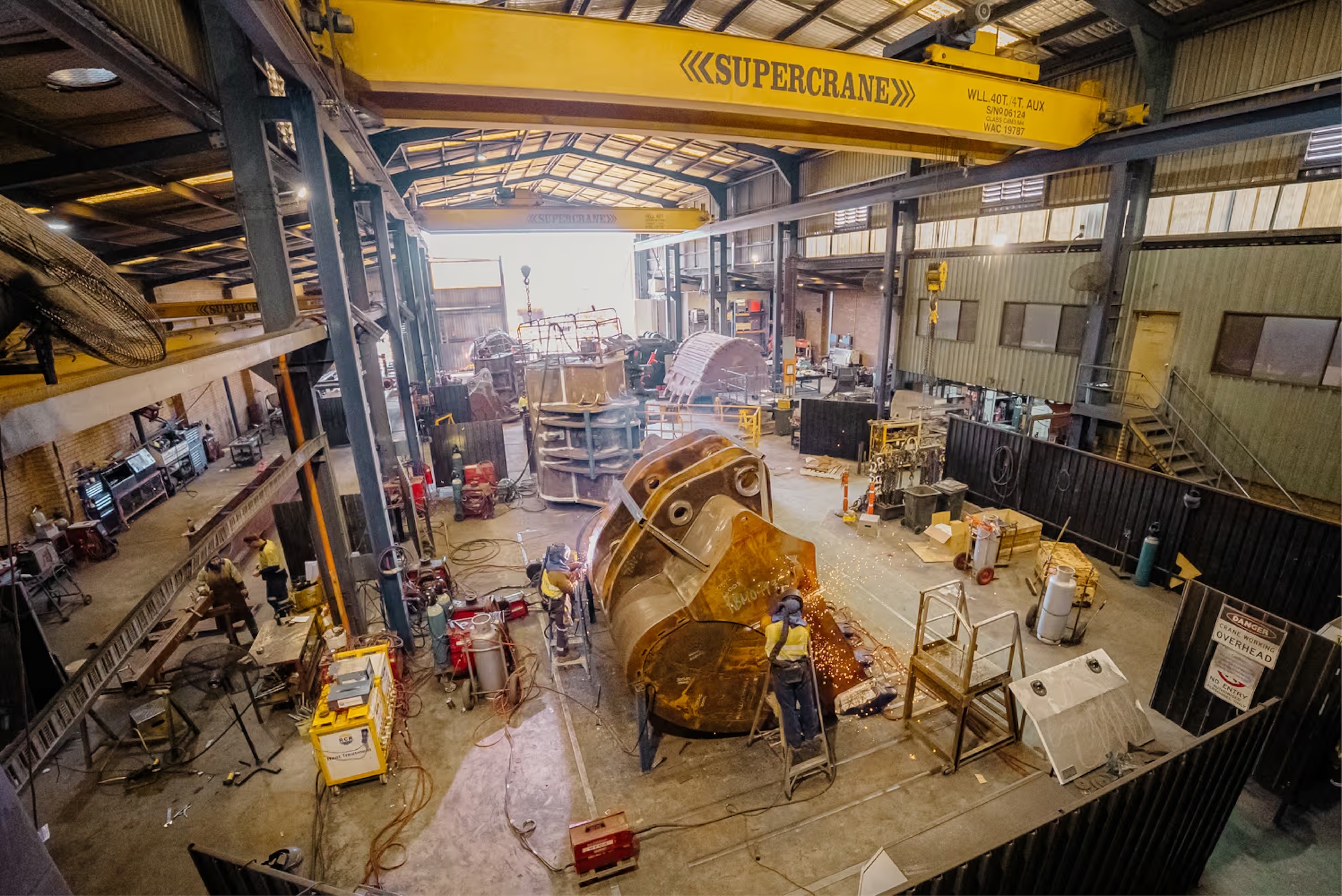
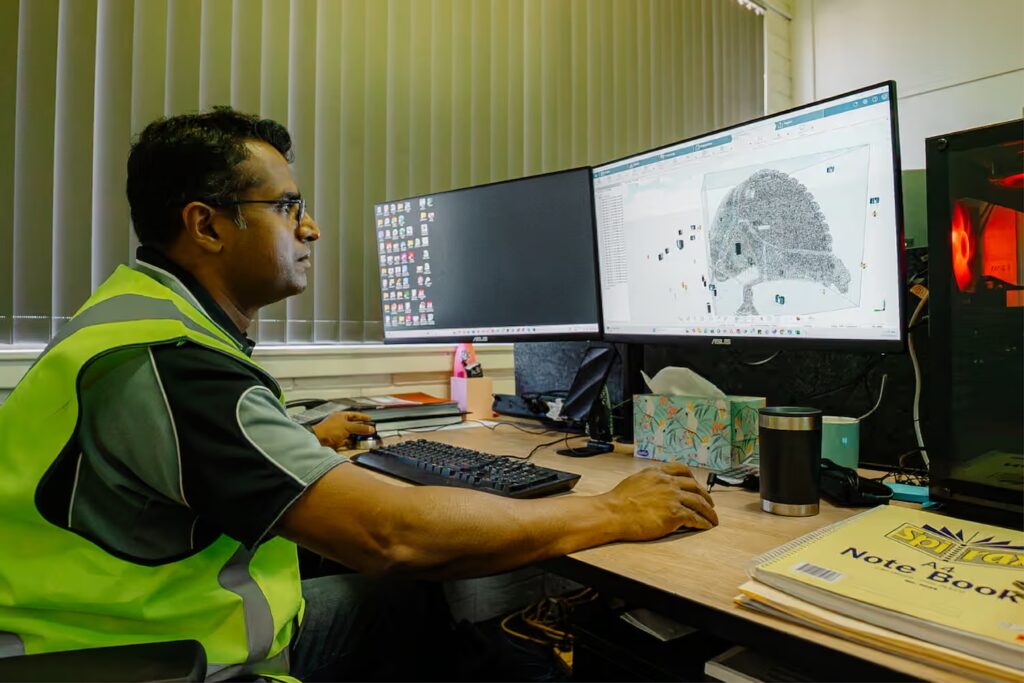
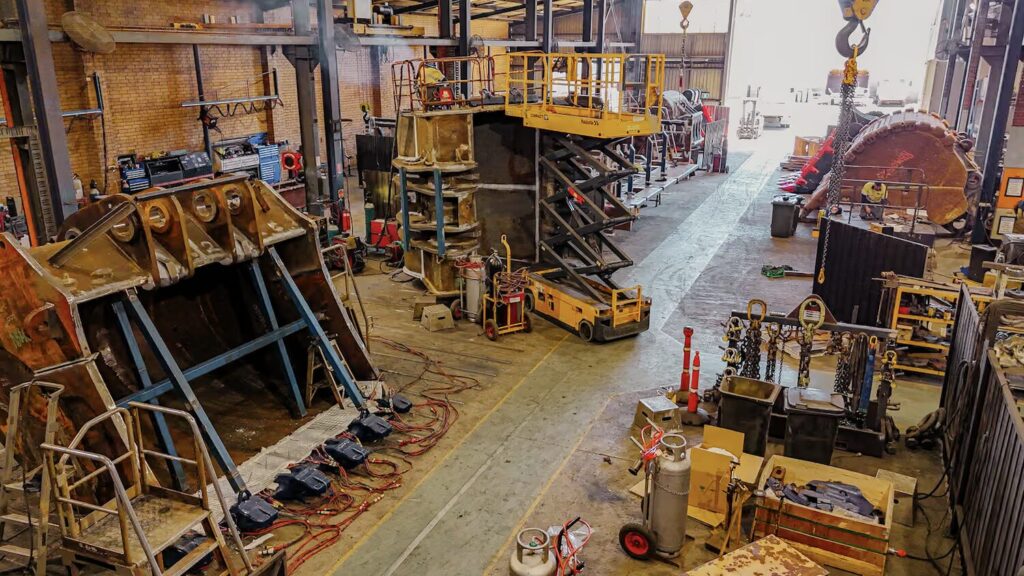
That growth has been supported by steady investment in people, equipment and systems. Today, Ceejay offers in-house capability across structural steel fabrication, precision machining, mechanical fabrication, welding, laser and plasma cutting, tube laser processing, surface treatment, project management, quality documentation and site support.
Its broader capabilities include blast and paint, rubber lining, 3D scanning, reverse engineering, and repair and maintenance services.
“What makes Ceejay different is that we are not just a fabrication shop or a machine shop,” Henry said.
“We can take on complex work that requires fabrication, machining, welding, QA, inspection, documentation and delivery to come together properly. That is where a lot of our value sits.”
Capability built over time
Since commencing operations in 1997, Ceejay has evolved from a general engineering workshop into a multi-disciplinary business capable of delivering larger and more technically demanding packages.
“The business started in 1997 and has steadily grown by building capability, taking on more complex work and investing back into the business,” Henry said.
“The major milestones have been the growth of our fabrication and machining capability, the development of a stronger project delivery team, investment into quality systems, expansion into supporting services such as surface treatment and rubber lining, laser and plasma cutting to name a few and now achieving dual certification to AS/NZS 5131 CC3 and AS/NZS ISO 3834 Part 2.”
Much of Ceejay’s work is delivered for the mining sector, but its experience also extends across oil and gas, defence, transport, infrastructure and broader industrial markets.
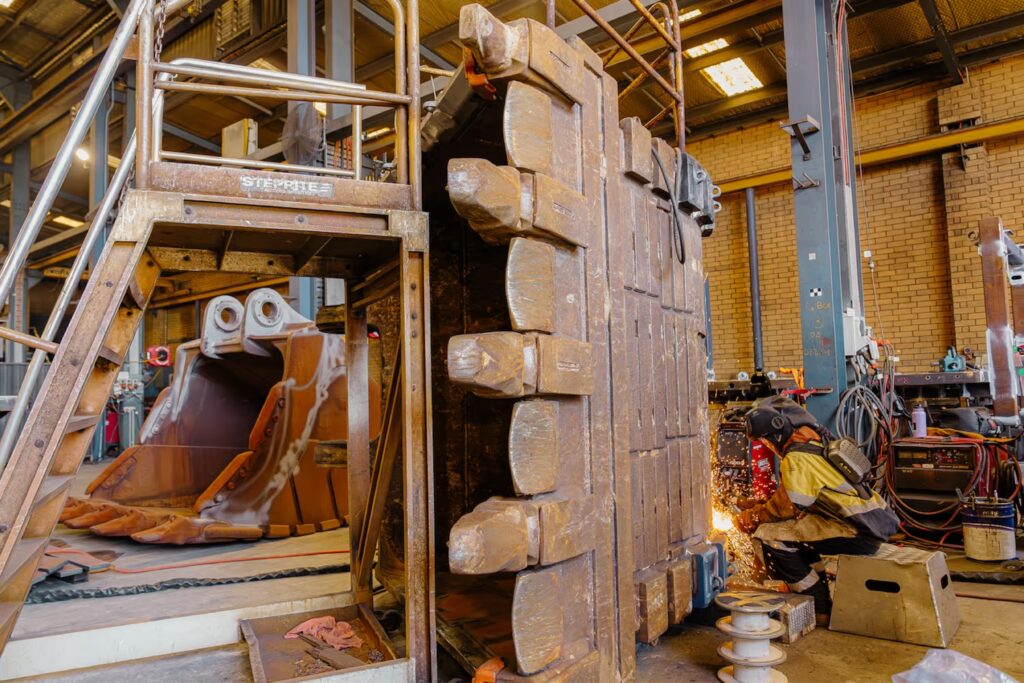
Typical packages include structural frames, tanks, pipework, platforms, access structures, chutes, guards, mechanical assemblies, maintenance tooling, lifting-related equipment and repair work.
These projects often involve much more than fabricating components to a set of drawings. They can require input into buildability, welding access, construction sequencing, machining after fabrication, coating selection, lifting requirements, dimensional tolerances and inspection planning.
“The best examples are usually the jobs where there is a mix of fabrication, machining, welding, lifting requirements, tight tolerances and documentation,” Henry said.
“Many of these jobs are not simple repeat fabrication. They often require input around buildability, sequencing, welding access, machining after fabrication, coating systems, inspection points and final fit-up.”
The company is also regularly engaged to address urgent operational requirements, particularly where downtime or equipment failure creates immediate pressure on a client’s operations.
“In those situations, the client needs a supplier who can understand the problem, work through the technical risks and deliver a practical solution without compromising safety or compliance,” Henry said.
“That problem-solving approach is a big part of Ceejay’s culture. We like the difficult jobs. We like work where our workshop team, project team and quality team need to come together to get the right result.”
Responding to higher expectations
The decision to pursue dual certification reflects both the changing expectations of Ceejay’s clients and the company’s ambitions for its future.
“It was driven by where the industry is heading and where we want Ceejay to sit in the market,” Henry said.
“A lot of our clients are now placing much greater focus on compliance, welding quality, traceability and independent verification. For complex structural steelwork, especially in mining, infrastructure and higher-risk applications, it is important to demonstrate that the systems behind the fabrication are as strong as the final product.”
AS/NZS 5131 defines quality requirements for the fabrication and erection of structural steelwork. Certification to Construction Category 3 is significant because it relates to more complex structures and applications where the consequences of failure are higher.
AS/NZS ISO 3834 Part 2 establishes comprehensive quality requirements for fusion welding. Its focus extends across welding coordination, procedure qualification, personnel competency, consumables, inspection, testing, traceability, equipment and quality records.
Together, the two standards provide complementary assurance across the fabrication and welding processes.
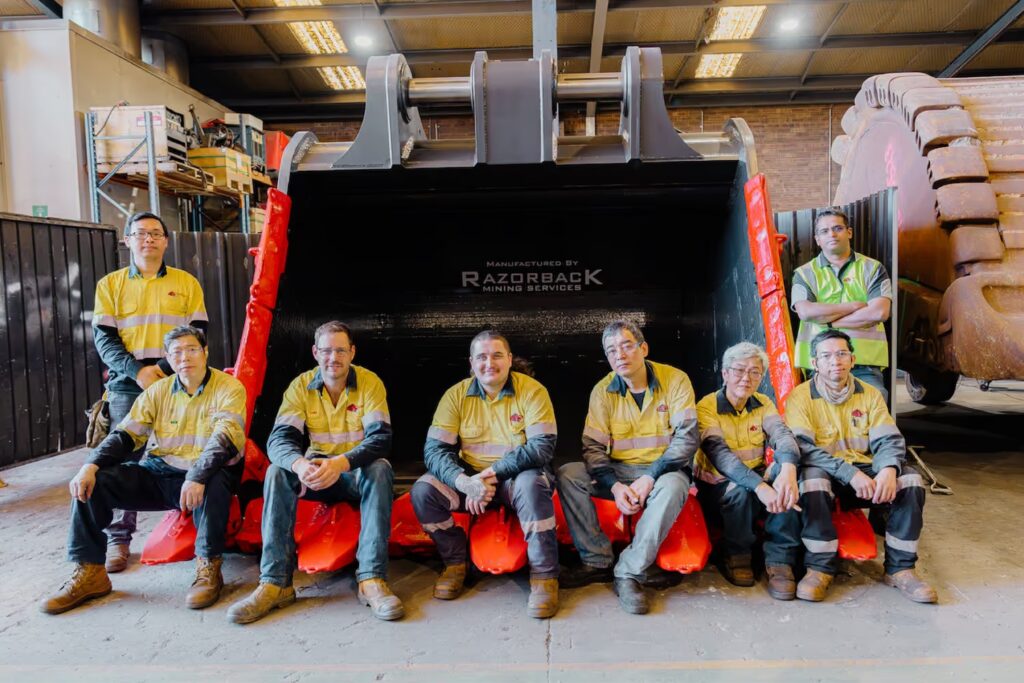
“We pursued dual certification because we wanted to formally demonstrate that Ceejay has the systems, people and controls in place to deliver work at that level,” Henry said.
“It was not about getting a certificate on the wall. It was about strengthening the business, lifting our internal systems and giving clients greater confidence in our capability.”
Proving the systems behind the steelwork
For clients, the achievement means Ceejay’s capability has been assessed independently rather than simply asserted by the business itself.
“It shows that Ceejay has been independently assessed and certified against recognised Australian and international standards for structural steel fabrication and welding quality,” Henry said.
“For clients, that means we are not just saying we can do the work. We have gone through the process to prove that our systems, welding coordination, procedures, documentation, traceability, inspection and competency controls meet the required standard.”
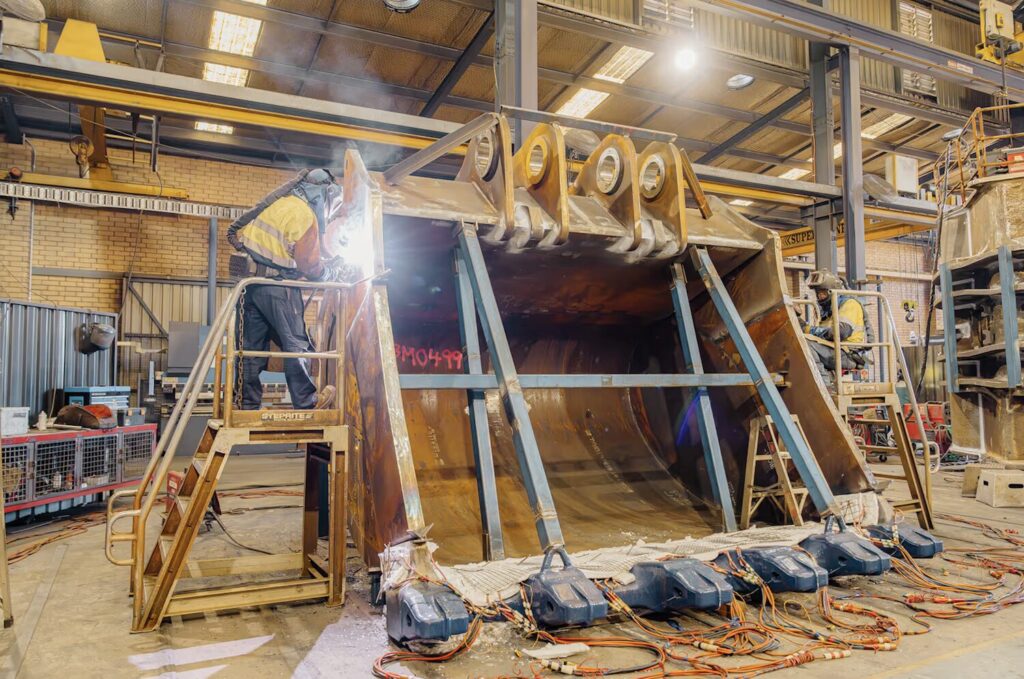
The certification process required a detailed review of the systems surrounding the workshop’s practical fabrication and welding activities.This included material identification and traceability, welding procedure specifications and qualification records, welder qualifications, inspection and test plans, hold and witness points, non-conformance management, documentation control, welding supervision and staff competency.
“The process was detailed and challenging, but very worthwhile,” Henry said.
“It made us look closely at every part of the business—not just the welding itself, but the systems around the welding.”
One of the most important lessons was that compliance cannot be isolated within the quality department or added immediately before an audit. It must form part of routine business operations, from estimating and procurement through fabrication, inspection and final handover.
“Certification is not something you can bolt on at the end,” Henry said. “It needs to be built into the way the business operates. Everyone needs to understand their part in the process, from estimating and procurement through to the workshop floor, QA and final handover.”
For other fabricators considering certification, Henry recommends viewing the process as an opportunity to improve the entire business. “If you approach it properly, it improves the way you work and gives your team a stronger structure to deliver consistent quality.”
Independent assurance for clients
Although many capable fabricators maintain their own internal quality systems, third-party certification adds an external level of scrutiny.
“It gives clients confidence that the business has been assessed by an independent body against recognised standards,” Henry said. “Internal quality systems are important, but third-party certification provides another level of assurance. It shows that the systems have been reviewed, tested and verified externally.”
That assurance is becoming increasingly important for procurement teams, engineers and project managers responsible for managing risk on complex projects. Certification can also make supplier assessment more straightforward by providing evidence that essential systems and competencies are already in place.
“It helps remove some of the guesswork from supplier selection,” Henry said. “The client can see that the capability has been independently verified.”
A platform for controlled growth
Dual certification gives Ceejay a stronger foundation from which to pursue larger, higher-value and more complex fabrication packages.
Across mining, oil and gas, infrastructure, transport and defence, clients are placing greater emphasis on compliance with Australian Standards, welding documentation, material traceability and demonstrated supplier capability.
“Dual certification allows us to compete for more complex and higher-value work,” Henry said.“It also helps us have better conversations with clients because we can clearly demonstrate that we have the systems and certification to support the work. We want to grow in the right areas, with the right clients, and continue building a reputation as a capable WA engineering business that can be trusted with difficult work.”