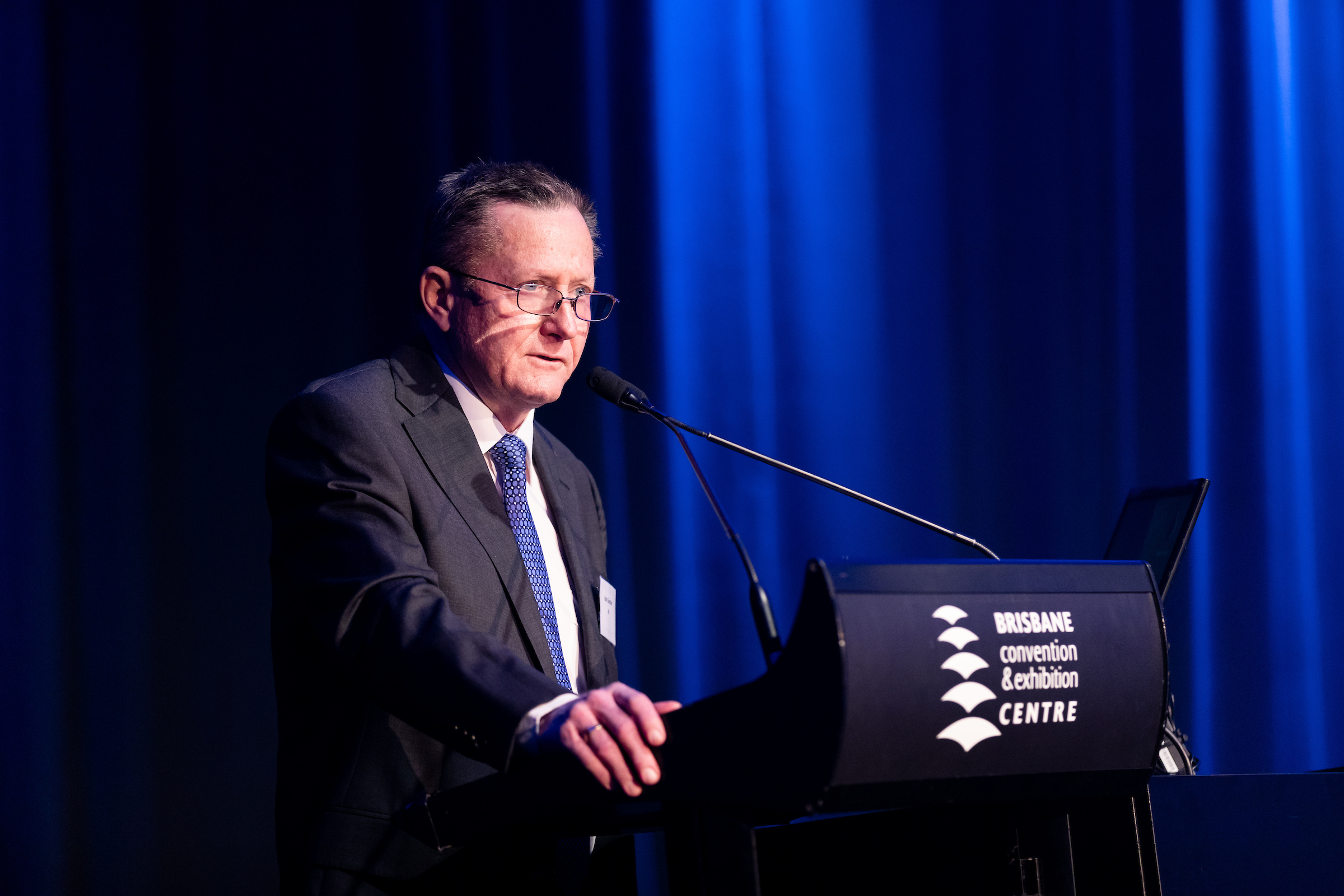
Inspiring the next generation of engineers and tradespersons to take up steel as a career is a key goal of John Gardner.
As the Australian Steel Institute’s (ASI’s) national education manager, John is responsible for promoting steel both as a career pathway and Australian-made and fabricated steel as the construction industry’s building material of choice. Key among John’s responsibilities is developing webinars and events to fill gaps in the secondary and tertiary education sectors.
John says his 33 years with the ASI advocating for Australian-fabricated steelwork has not been without its challenges. In his dual role as ASI state manager for Queensland and the Northern Territory, John has contributed to the development of key guidelines to ensure the uptake and safety of steel structures.
He has played a key role in the recent promotion of the National Structural Steelwork Compliance Scheme (NSSCS) to satisfy the requirements of Australian Standard AS/NZS 5131 Structural steelwork fabrication and erection.
John said one of the biggest challenges for the Australian steel supply chain has been the rise of cheap imported fabricated steelwork. “We recognise cost is an important factor, but not at the expense of safety,” John said.
“The problems we have seen include some overseas steel not fully compliant with Australian standards, and lack of definition of responsibilities for critically evaluating compliance and approving product.”
According to John, ASI advocacy had led to tightening of Australian requirements governing imported fabricated steelwork but the need for vigilance remained. Lack of transparency with non-complying products was a continuing problem.
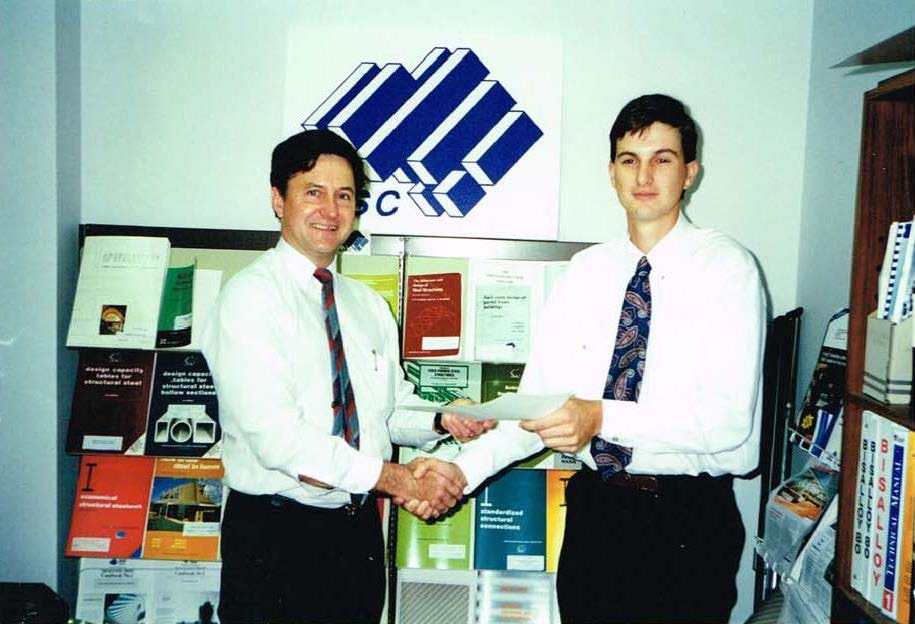
John said the role of ASI has changed since he first joined the Queensland office of what was then the Australian Institute of Steel Construction (AISC) in 1990. “A major focus in those days was educating engineers. All of the AISC state managers were structural engineers. ASI has a much broader role these days offering technical leadership, advocacy and marketing services for the whole Australian steel supply chain, and our managers reflect a more diverse professional work experience.”
John said the publication of key ASI-backed steel design books including the Design of Portal Frame Buildings and Economical Structural Steelwork came out of the desperate need for industry-specific learning.
John said the rise of 3D modelling and sustainable steel has opened exciting new doors for education and the steel industry. “Steel will continue to evolve and the ASI will be there to lead the way.”