Separating fact from fiction: common myths about sideloaders in steel handling
Sideloaders have long carried a reputation as niche machines built for the timber trade. Hubtex Australia Managing Director Bruce Peatman argues that steel is where the concept often makes the most sense.
Ask a steel distributor or fabricator what a sideloader is for, and the answer will frequently involve timber packs and a laydown yard. It is a durable perception.
According to Bruce Peatman, Managing Director of Hubtex Australia, it is also one of the main reasons businesses never properly assess their materials handling options.
“Probably the biggest misconception is that a sideloader is a very specialised machine with limited applications,” Peatman says. “Another is that they’re really designed for timber rather than steel. Steel is actually one of the applications where the concept makes the most sense.”
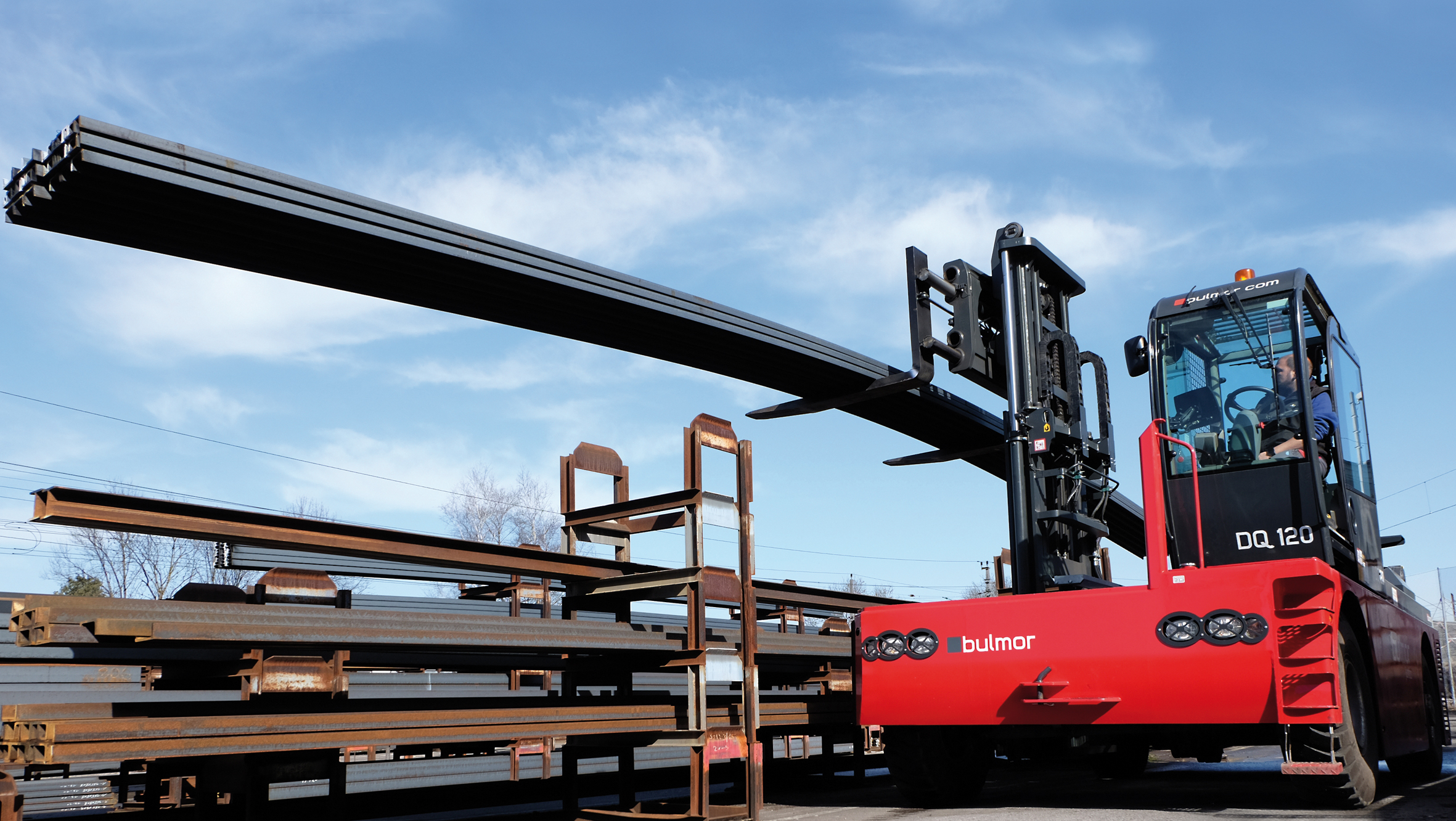
The reasoning is not complicated. A counterbalance forklift carries its load across the forks, projecting out in front of the machine. Put a six, eight or 12 metre length of RHS, beam, channel or pipe on those tines and the truck needs considerable space simply to turn around.
“You end up using valuable floor space so that a forklift can rotate,” Peatman says. “It creates wide aisles and large turning areas. Long loads also increase the potential for contact with racking, buildings, machinery, other stock and people, and depending on the load, visibility can be compromised.”
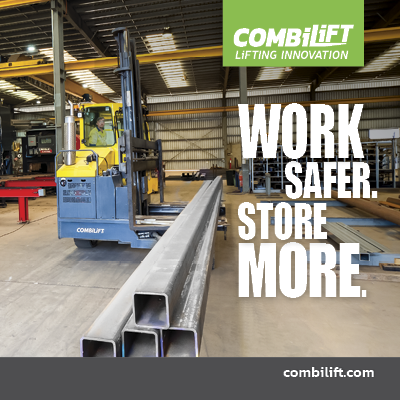
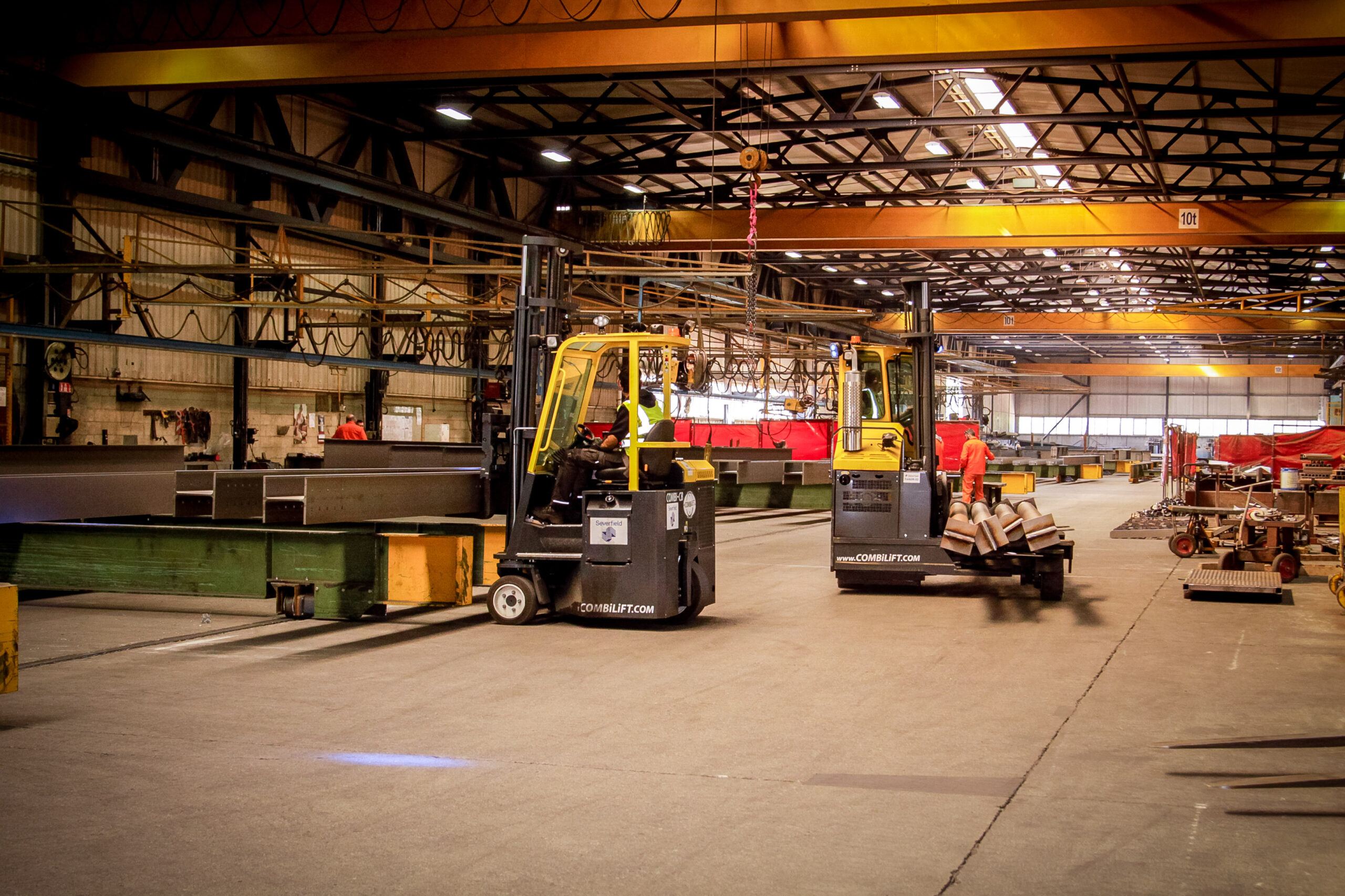
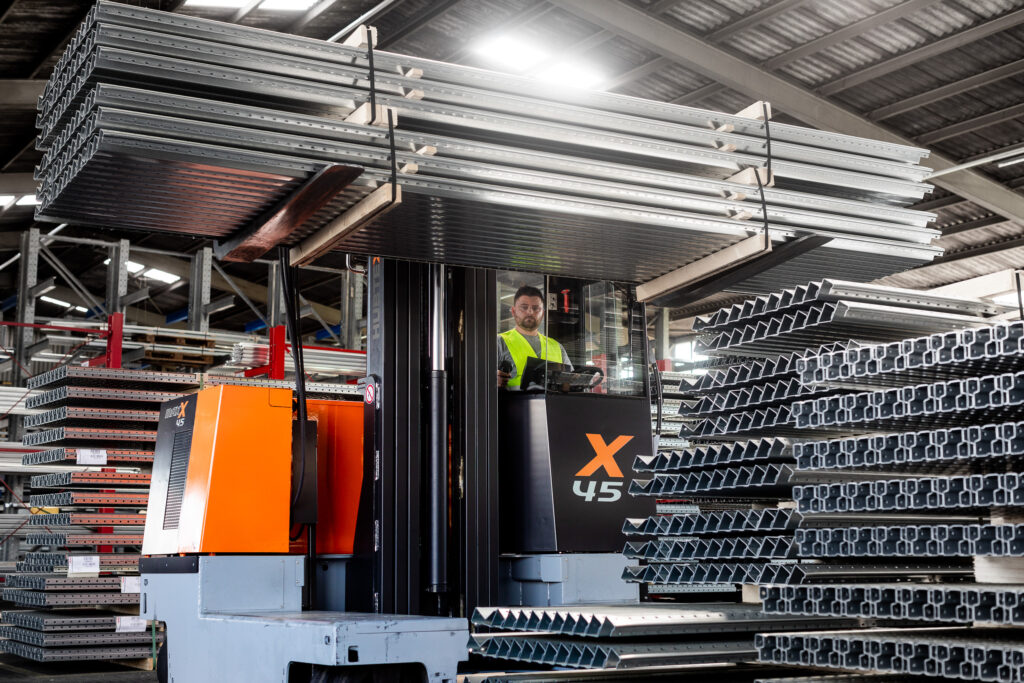
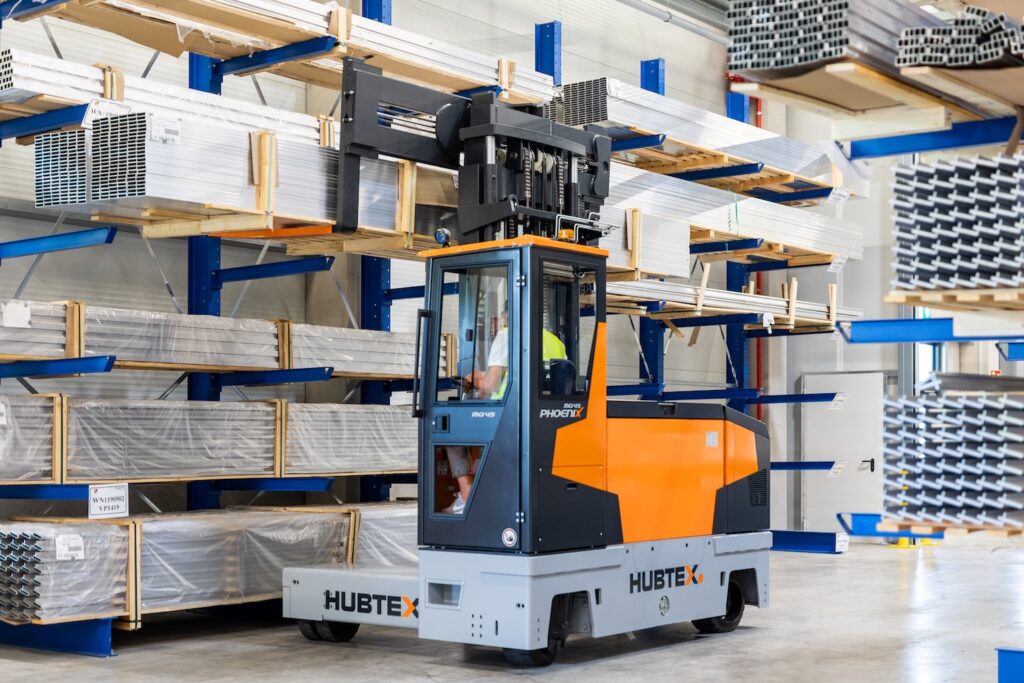
A sideloader instead carries the load along the length of the machine, inside its own footprint. Multidirectional machines add sideways, diagonal and rotational travel, so a long load can move lengthways down a relatively narrow aisle rather than requiring enough width to swing the entire load around.
Peatman is careful not to frame this as a contest between machine types. “A conventional forklift is an excellent machine when the load suits it. The problem comes when we ask it to handle loads it wasn’t really designed around,” he says. “The important question is not whether a sideloader is better than a forklift. It’s which machine is best suited to the load and the way the business needs to move it.”
‘They’re too hard to drive’
A second objection concerns the operator. Multidirectional steering sounds complicated, and for anyone whose only exposure was to an older machine, the caution is understandable.
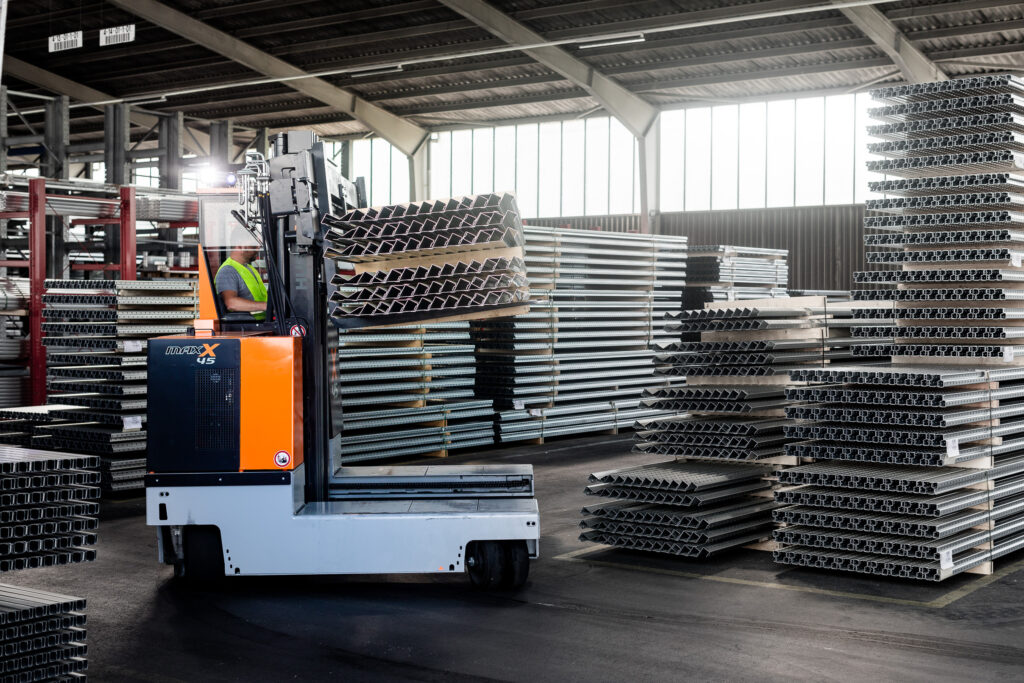
“Modern machines are very different from some of the sideloaders people may remember,” Peatman says. “Controls are generally intuitive, and operator environments have improved significantly. Cameras, electronic steering, proportional hydraulics and driver-assistance systems all make the machine easier to operate, and the operator can have very good visibility of the load, the forks and the direction of travel.”
Multidirectional steering does require familiarisation, he acknowledges, but experienced forklift operators tend to adapt quickly with proper training. In many cases, handling a long load becomes more intuitive, because the machine was designed specifically around that task.
“A machine that feels stable and predictable encourages smoother handling and operator confidence,” he says. “But good familiarisation and training remain essential.”
‘The numbers don’t stack up’
The cost objection is more nuanced, and Peatman does not dismiss it. Sideloaders typically carry a higher purchase price than a comparable counterbalance forklift. His argument is that purchase price is only one component of the total.
“The cheapest machine to buy isn’t necessarily the cheapest machine to own,” he says.
He suggests assessing the machine over a realistic five, seven or ten-year operating period, including energy, servicing, wear items, residual value, operator productivity, product damage, storage utilisation, downtime and service support. Two of those are routinely underestimated in steel operations: damage, and space.
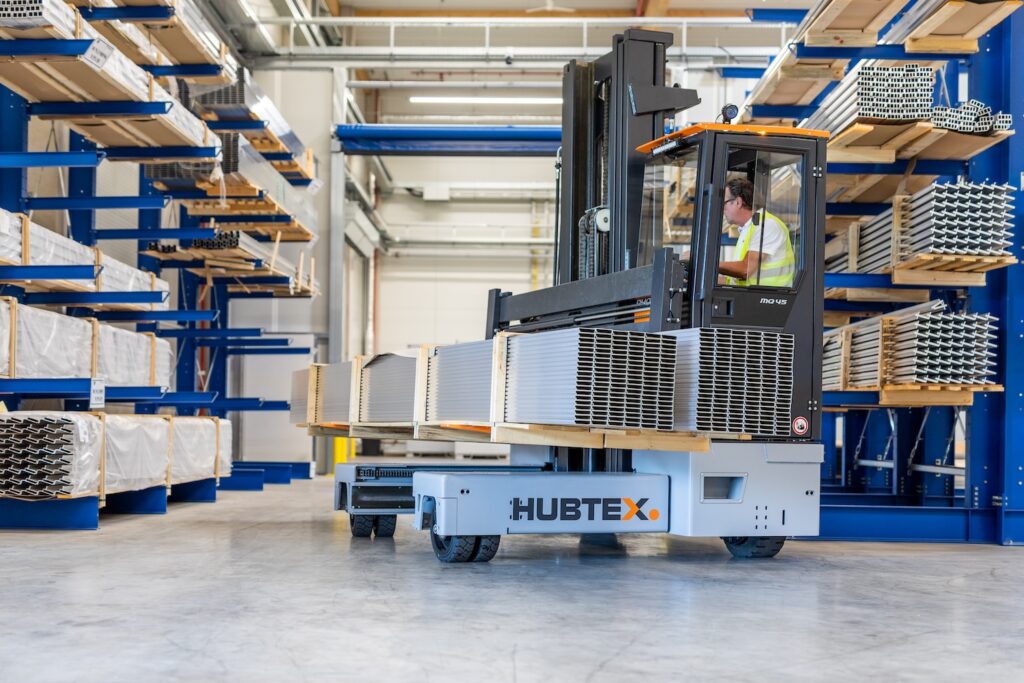
“A machine that allows narrower aisles can potentially increase storage capacity without increasing the size of the building,” Peatman says. “In today’s industrial property market, that value can be very significant. Sometimes the biggest saving isn’t in the forklift at all. It’s in the building.”
For an existing facility, improved storage density may postpone or eliminate an expansion. For a new one, he argues the handling equipment should be considered during warehouse design rather than after the racking is in.
‘They’re outdoor machines’
The final myth is that sideloaders belong in the yard. Modern multidirectional machines, Peatman says, work effectively indoors, outdoors and between the two. Electric models offer zero on-site emissions for indoor work while still operating outdoors on suitable surfaces, and diesel and gas machines remain available where ground conditions are demanding.
That versatility matters most in the transitions. The same machine may collect material from storage, travel through a doorway, feed a saw or processing line and then load a truck, replacing several handling steps and sometimes more than one type of equipment.
Safety is the thread running through all of it. Carrying the load within the machine’s footprint gives the operator better control, less manoeuvring reduces exposure to pedestrians and infrastructure, and fewer handling steps mean less manual intervention around long, heavy product.
“Cranes and conventional forklifts have important roles,” Peatman says. “But every additional handling step adds time and potentially adds risk.”
Equipment, he stresses, is only part of the solution. Site layout, traffic management, operator training and procedures remain essential.
Asked how a business should determine whether a sideloader suits it, his answer starts somewhere other than the spec sheet.
“We generally don’t start by asking a customer which model they want. We start by looking at what they’re handling, where they’re handling it and what problems they’re trying to solve. The machine specification comes after that.”
For more information, visit: https://hubtex.com.au/
This content is part of a paid sponsorship package.