
The past few months have reinforced just how important it is for the Australian Steel Institute (ASI) to remain active, visible and closely engaged with government, industry and the wider construction sector. Much of our current work is focused on a common objective: ensuring Australia retains the steelmaking, distribution, fabrication, engineering and workforce capability needed to deliver the nation’s infrastructure, energy, housing and defence priorities.
That requires more than broad policy statements. It means participating in the forums where decisions are shaped, meeting directly with government agencies and project authorities, contributing to standards and sustainability frameworks, and making sure local steel capability is understood by those responsible for major procurement programs.
Safeguard inquiry enters a critical phase
Our campaign for safeguard measures covering certain imported fabricated structural steel products remains one of the ASI’s highest priorities.
The Productivity Commission inquiry was initiated following the ASI’s application on behalf of members and more than 200 representations made by members to political representatives. It provides a critical opportunity to demonstrate the serious injury being caused by the recent surge in imported fabricated steelwork.
In recent months, we have continued to brief the media and government on both the scale of the issue and the nature of the safeguard mechanism. This has included an interview with The Australian for its report on the pressure facing local steel fabricators from heavily subsidised Chinese steel exports. During that discussion, we explained the important difference between anti-dumping measures and safeguards—two mechanisms that are frequently, but incorrectly, treated as the same.
This work was strengthened by the release of the OECD Steel Outlook 2026. The report confirms that global excess steel capacity is worsening, with subsidised production continuing to distort international markets and place market-based producers under increasing pressure.
In response, the ASI issued the media release to more than 1,000 media outlets. The OECD’s findings reflect what Australian fabricators have been experiencing for years: growing volumes of excess steel are being pushed into export markets, weakening fair competition and threatening the viability of efficient local businesses.
Safeguard action is not about closing Australia to trade. It is about responding to an exceptional import surge that is causing serious injury to a strategically important domestic industry. We will continue making that case strongly and constructively throughout the Productivity Commission process.
Putting local capability before decision-makers
The ASI has also continued its direct engagement with government on the importance of strong local supply chains.
One recent initiative was a workshop delivered to more than 50 Australian public service employees, most of whom were from the Department of Industry, Science and Resources. The session provided participants with a detailed overview of the steel industry, its supply chain and the factors affecting domestic competitiveness.
We also participated in a Department of Foreign Affairs and Trade steel industry briefing with BlueScope, InfraBuild and the Australian Steel Association. The meeting covered changing international trade settings, including proposed European Union and United Kingdom tariff-rate quota arrangements and emerging measures in other markets.
These developments matter to Australia. As more countries introduce measures to protect their own steel industries from displaced global capacity, open markets such as ours face an even greater risk of becoming a destination for excess product.
Brisbane 2032 and major infrastructure procurement
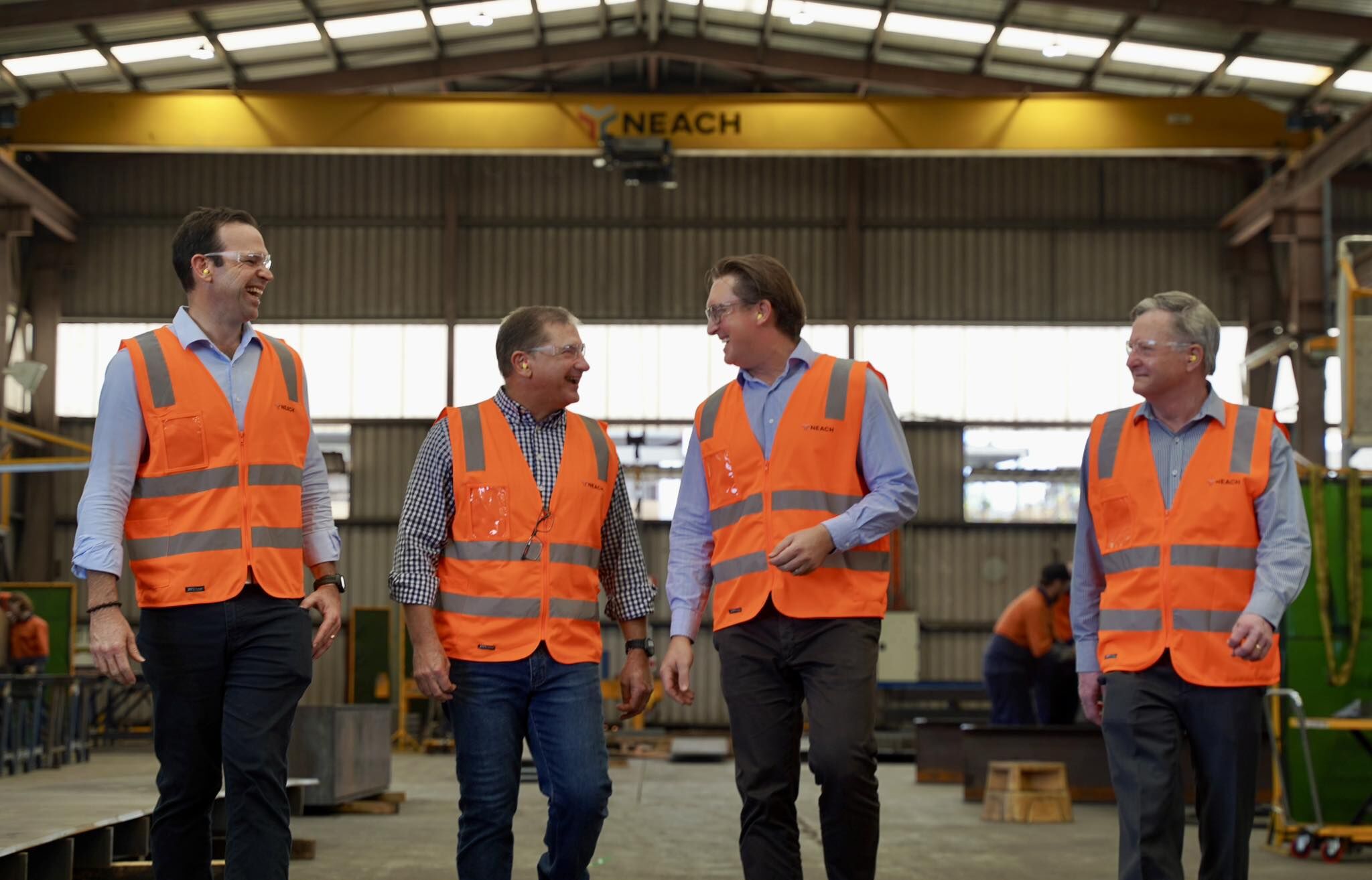
The Brisbane 2032 Olympic and Paralympic Games remain a major focus of the ASI’s local-content advocacy. We liaised with the Games Independent Infrastructure and Coordination Authority, to arrange further discussions about locally fabricated steel for Games-related projects. Structural steelwork will be a critical-path item for many of these projects, so early engagement with the local supply chain can reduce delivery risk and improve procurement outcomes.
To help members prepare for the opportunities ahead, we recently facilitated an Industry Capability Network workshop for Queensland steel fabricators. The workshop focused on improving businesses’ online profiles, strengthening tender submissions and better positioning companies for future procurement packages. We also convened a Queensland fabricator roundtable and have continued discussions with the Queensland Government and the Queensland Major Contractors Association.
Our message remains consistent: Queensland already has an experienced and capable steel supply chain. Procurement frameworks should recognise quality, compliance, whole-of-life performance and local economic value, rather than defaulting to the lowest upfront price.
Energy, transmission and domestic manufacturing
The energy transition is another area in which Australia has an opportunity to develop long-term industrial capability. The ASI recently briefed Deloitte as part of its Federal Government study into local wind-tower manufacturing. We have consistently argued that steel for wind and transmission infrastructure should be both milled and fabricated in Australia wherever capacity and project requirements allow.
In South Australia, we continued to engage with ElectraNet regarding local steel supply for the Northern Transmission Project. The ASI also participated in meetings of the NSW Renewable Energy Sector Advisory Board and continues to advocate for procurement settings that create genuine, bankable demand for local manufacturing.
Sustainability as part of mainstream procurement
There has been significant progress in strengthening the role of Steel Sustainability Australia. ASI representatives met with the Victorian Infrastructure Development Authority and Lendlease in Melbourne to discuss our sustainability initiatives. We also attended the Infrastructure Sustainability Council’s Connect Conference in Brisbane, with the ASI contributing to the council’s awards program as a judging-panel member. Importantly, Steel Sustainability Australia is now live on the Infrastructure Sustainability Council’s Supply Directory.
The ASI participated in the Materials and Embodied Carbon Leaders’ Alliance Steel Working Group, which is developing updated guidance on low-embodied-carbon steel and building awareness of the need for a dual decarbonisation pathway. Australia must increase steel recycling while also supporting the decarbonisation of primary steel production.
Further work has included participation in Standards Australia’s Low Carbon Metals Expert Advisory Group, which is considering nationally consistent definitions and terminology for green and low-carbon metals.
Looking ahead to Adelaide
Many of these issues will form part of the discussion at the 2026 Australian Steel Convention, to be held from 14 to 16 September at the Amora Hotel in Adelaide.
Under the theme Capability, strength and resilience in a changing world, the convention will examine how Australia’s steel industry can strengthen domestic capability, remain internationally competitive and respond to economic, technological and geopolitical change.
It will also provide an opportunity to step back from the immediate pressures of day-to-day business, hear from leaders across the steel value chain and consider how we can collectively shape the industry’s future.
I encourage members to register and join us in Adelaide via steel.org.au
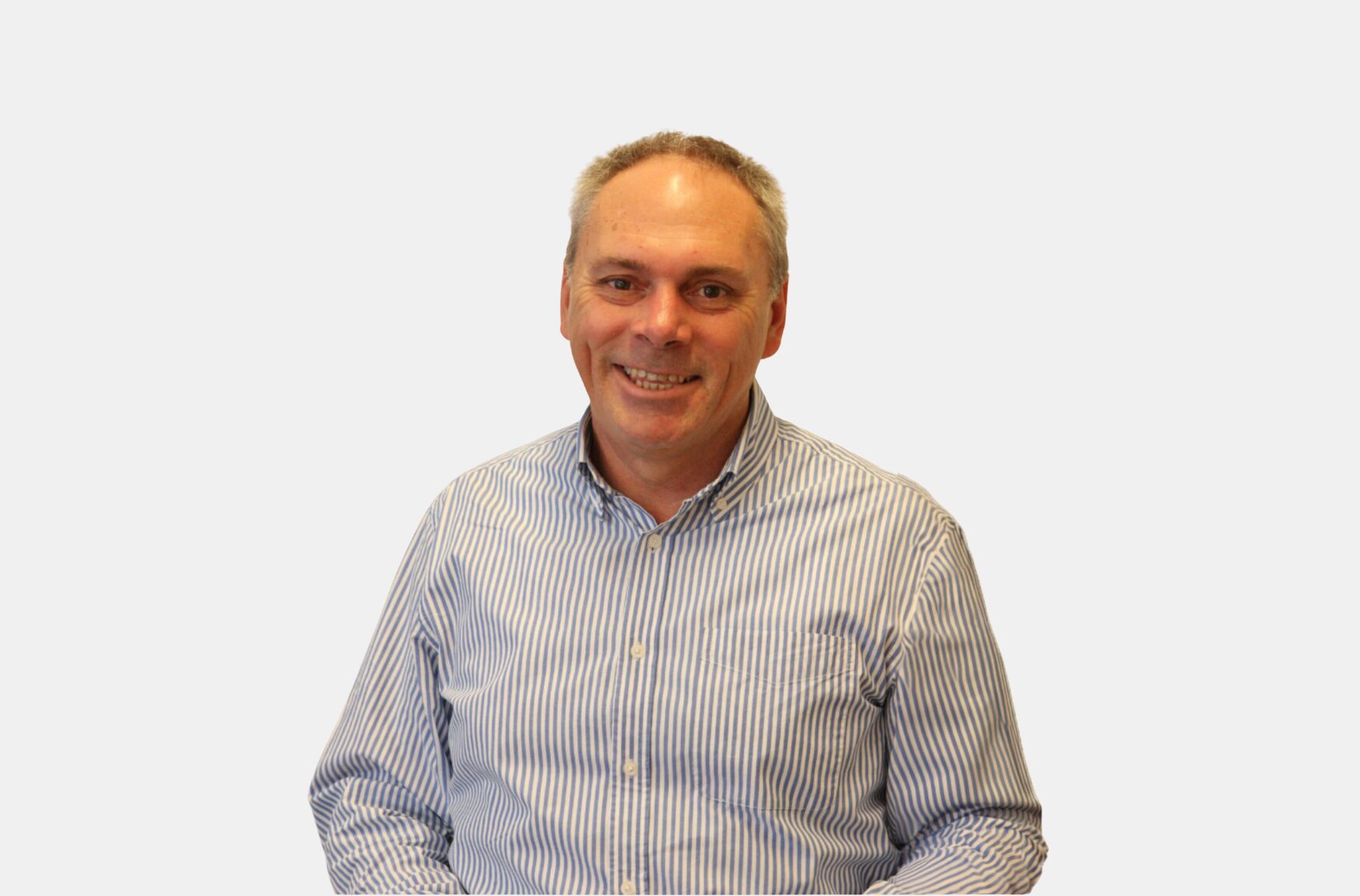
Mark Cain
Chief executive, ASI