After three decades building some of Australia’s most challenging steel projects, CASA Engineering is warning that the capability underpinning that work cannot be taken for granted.
For more than 30 years, CASA Engineering has built its reputation on taking on the projects others often find too difficult.
Founded by mechanical and structural engineer Peter Casa in Townsville in 1995, the Australian Steel Institute member began as a small fabrication and installation business before expanding into Brisbane, Rockhampton, Papua New Guinea and the South Pacific.
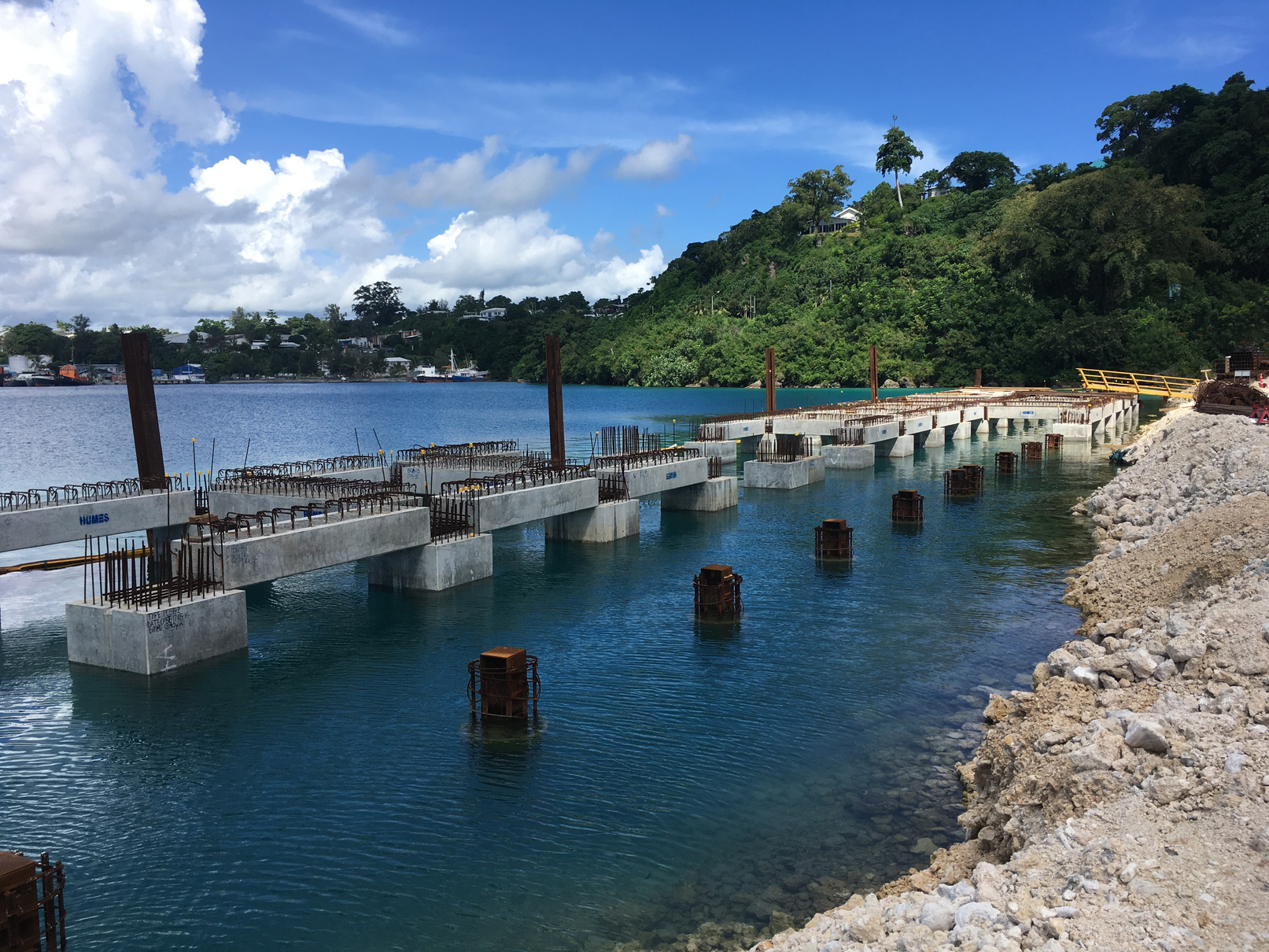
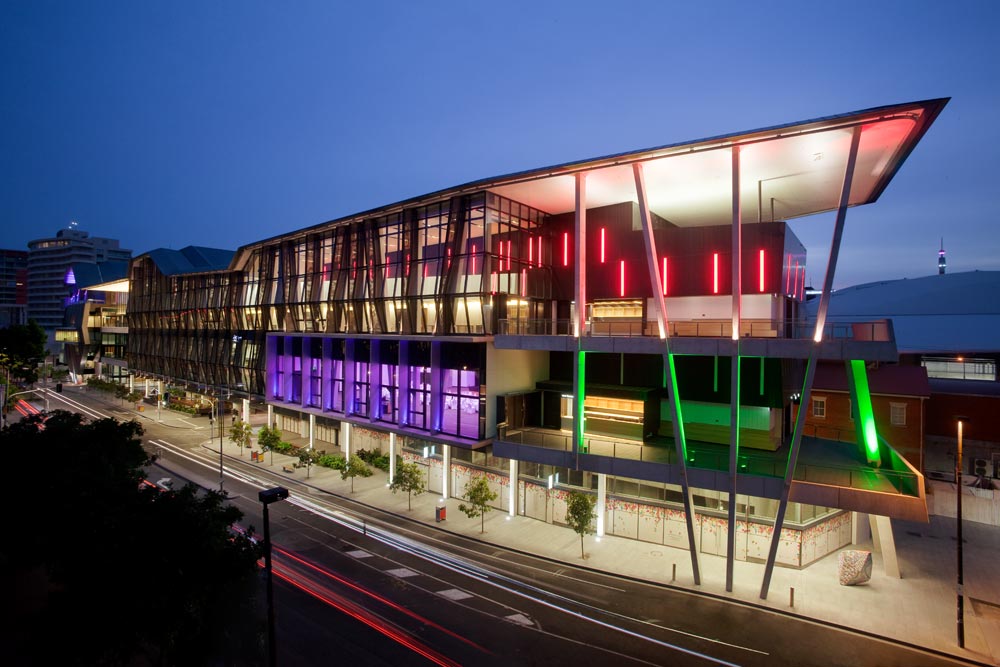
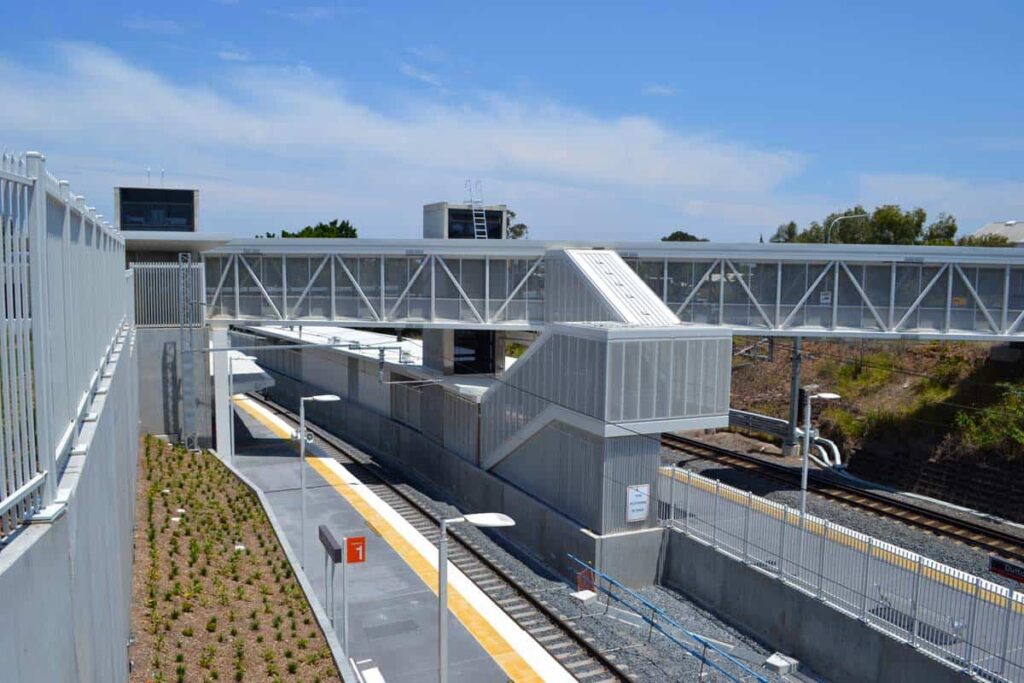
Over time, CASA developed into an integrated engineering and construction company, with capabilities spanning engineering, drafting, structural steel fabrication, mechanical installation, logistics, heavy lifting and site construction. Its experience extends across infrastructure, mining, industrial facilities, bridges, marine works, power generation, water treatment, defence and major commercial projects.
That integrated model has long been central to the company’s value proposition. “We have the engineering knowledge, fabrication capability, equipment, logistics and site resources within the one business,” Peter said. “That gives clients certainty. We are not relying on a long chain of external parties to deliver the work, and we can address problems quickly as they emerge. We have built our reputation on delivering complex projects on time.”
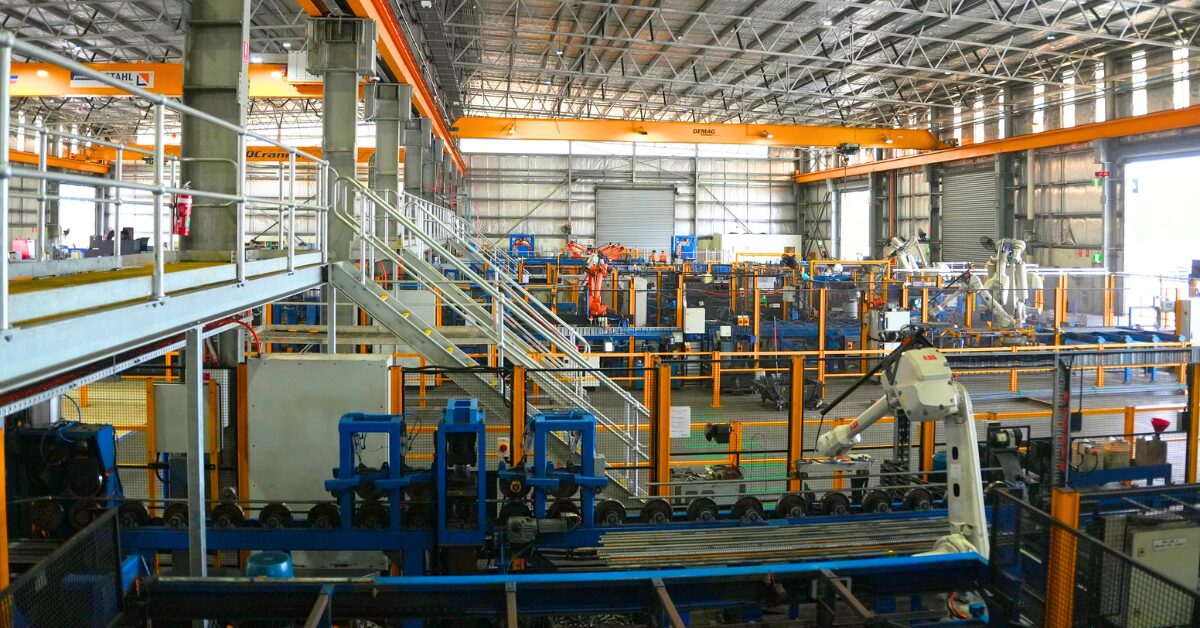
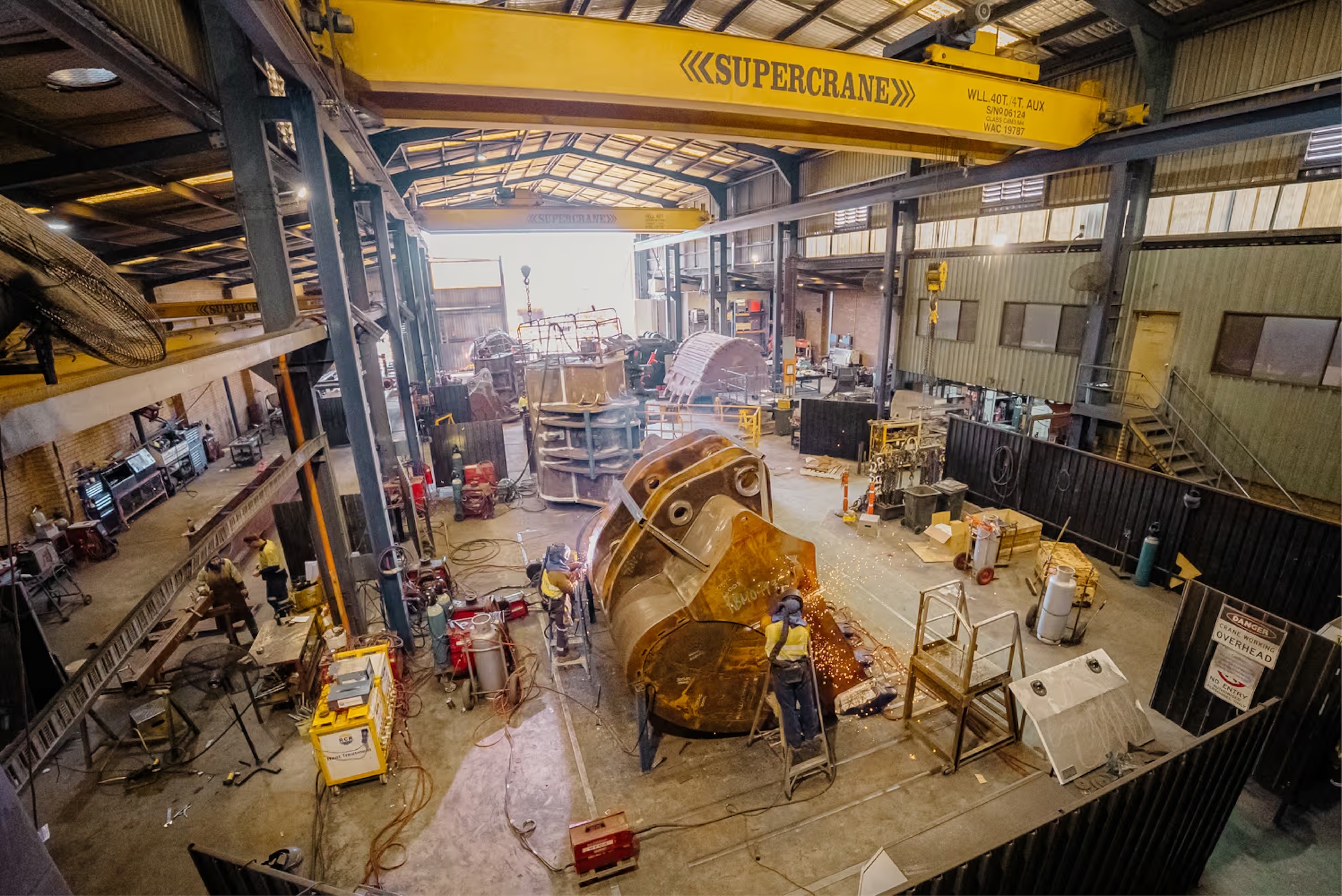
CASA’s in-house resources have included heavy engineering workshops, hardstand areas, transport equipment, mobile workshops and a substantial crane fleet. Its Townsville facility incorporated a dedicated welded-beam manufacturing line capable of producing beams up to 2,100mm long and 600mm wide.
“We have never tried to compete by doing the simplest work in the market,” Peter said. “Most of our projects carry a high degree of technical or logistical difficulty. We are generally the people clients call when they have a challenging problem that needs to be solved.”
A changing market
That capability is being placed under increasing pressure by the growth of imported fabricated structural steel. Not surprisingly then, CASA was among the businesses that made a submission to the Productivity Commission’s safeguard inquiry into imports of fabricated structural steel products.
According to CASA, tender opportunities for portal-frame warehouses began declining from around 2018, even as commercial warehouse construction remained strong. In many instances, the company was either asked to provide a price for budgeting and comparison purposes or was not invited to tender because the steel package had already been earmarked for offshore fabrication.
CASA cites examples including warehouse projects at Bundamba, Redbank and Goodna located close to their own facilities, but supplied entirely with imported fabricated steel. There was even a facility expansion located in the same street as CASA’s workshop, where imported steel was used and CASA was subsequently engaged to rectify fabrication errors.
“What we have seen is not a decline in the number of buildings being constructed,” Peter said. “The work is still there. The difference is that much of the fabrication has moved offshore.”
Peter said the commercial building market had become increasingly reliant on overseas production managed by Australian personnel. “It is not that the technology or technical management overseas is necessarily superior. In many cases, Australian engineers and project managers are still overseeing the work. The difference is that the fabrication labour has been moved offshore.”
“When local content becomes a box-ticking exercise, the policy is not achieving what it was designed to achieve,” Peter said. “Local businesses can spend considerable time and money pricing work where there was never a genuine intention to award the fabrication locally.”
The consequences of lost work
The impact on CASA has been significant. Over the past two years, the business has consolidated its operations into one Brisbane workshop after closing facilities in Townsville, Rockhampton and Bundamba. Its safeguard submission reports the loss of approximately 70 full-time regional positions and significant decline in annual turnover.
The company also cancelled planned investment in a new beamline and paint line because the reduced volume of warehouse and industrial work made the investment difficult to justify.
For Peter, the consequences extend well beyond one company’s order book. “When workshops close, the skills and experience do not simply sit there waiting for the market to return,” he said. “People retire, move industries or relocate. Equipment is mothballed and apprentices are no longer taken on.”
CASA has halved its apprentice intake in recent years. Peter believes the decline of smaller and mid-sized fabricators is particularly concerning because these businesses play a vital role in developing tradespeople who later support the entire industry.
“Smaller fabricators are an important training ground,” he said. “They create the skilled workforce that larger companies and major projects rely on. Once that supporting capability disappears, the whole industry becomes more vulnerable.”
Restoring certainty
CASA supports an effective safeguard measure as a way to provide immediate breathing room for Australian fabricators, while broader procurement and industry policies are strengthened.
Peter is clear that safeguards cannot provide the complete long-term solution. However, he believes they can restore enough certainty for businesses to retain people, resume investment and rebuild training pipelines.
“A safeguard would give businesses confidence that there is a future worth investing in,” he said. “Local fabrication may not always be the cheapest option on the initial price, but it provides greater certainty around quality, standards, communication, delivery and urgent supply.”
That responsiveness is critical. Imported steel can take months to arrive, while local workshops can respond to design changes, replacement requirements and urgent project needs.
“Structural steel is not an off-the-shelf commodity that Australia can assume will always be available,” Peter said. “If shipping is disrupted by conflict, geopolitical tension or another global event, projects cannot simply continue as normal. Australia must retain the capability to fabricate what it needs.”
“The safeguard is about preserving much more than production volumes. It’s about protecting the workshops, technical knowledge, apprenticeships and industrial capacity that Australia will depend on for decades to come,” Peter said.