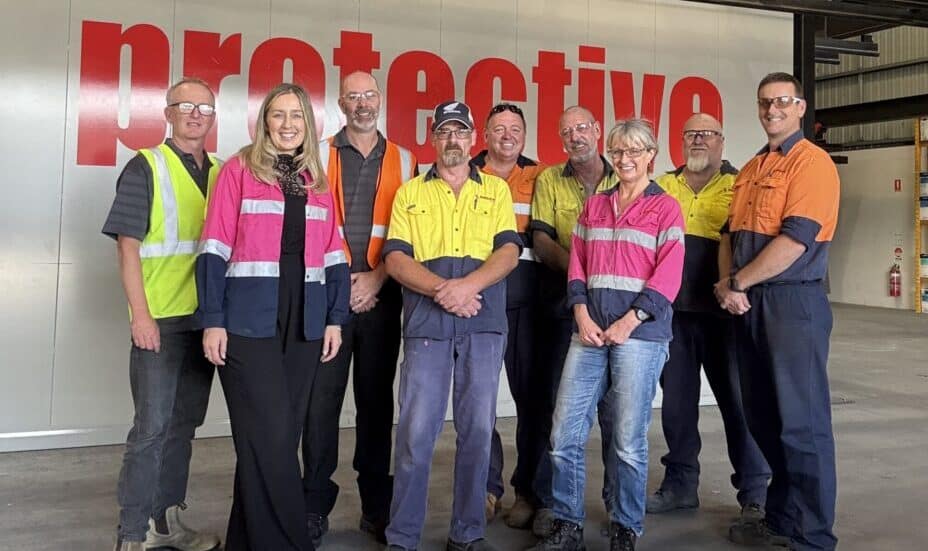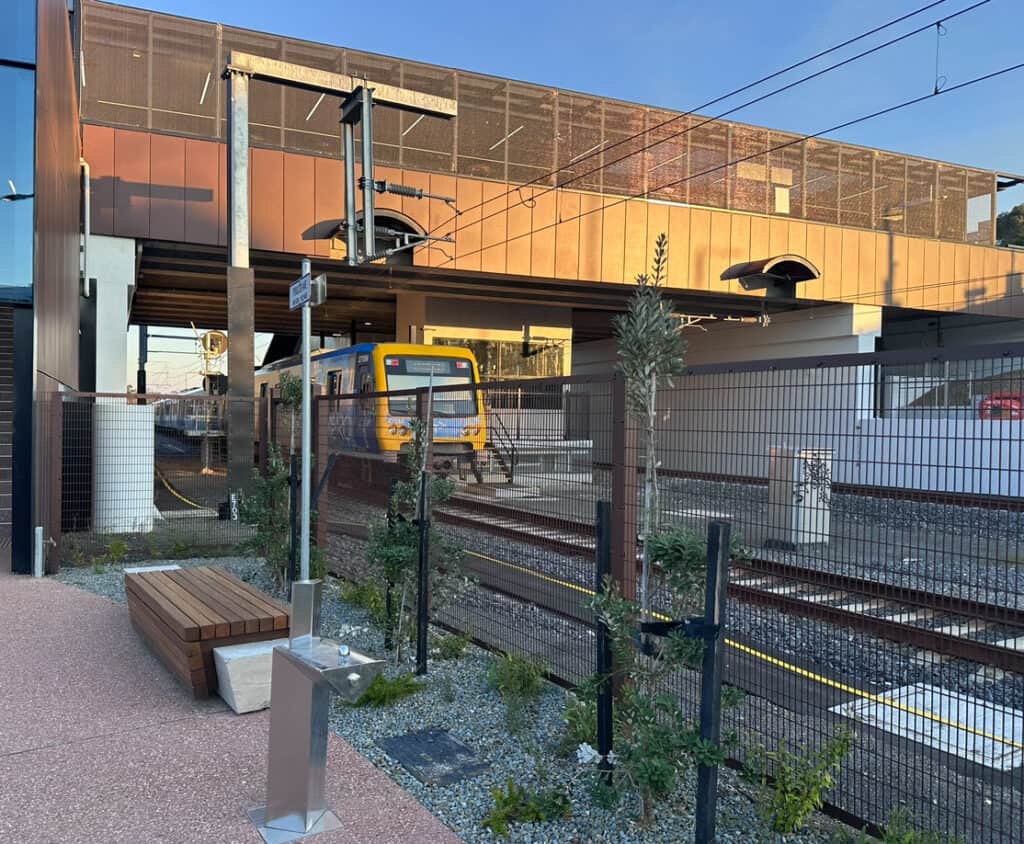
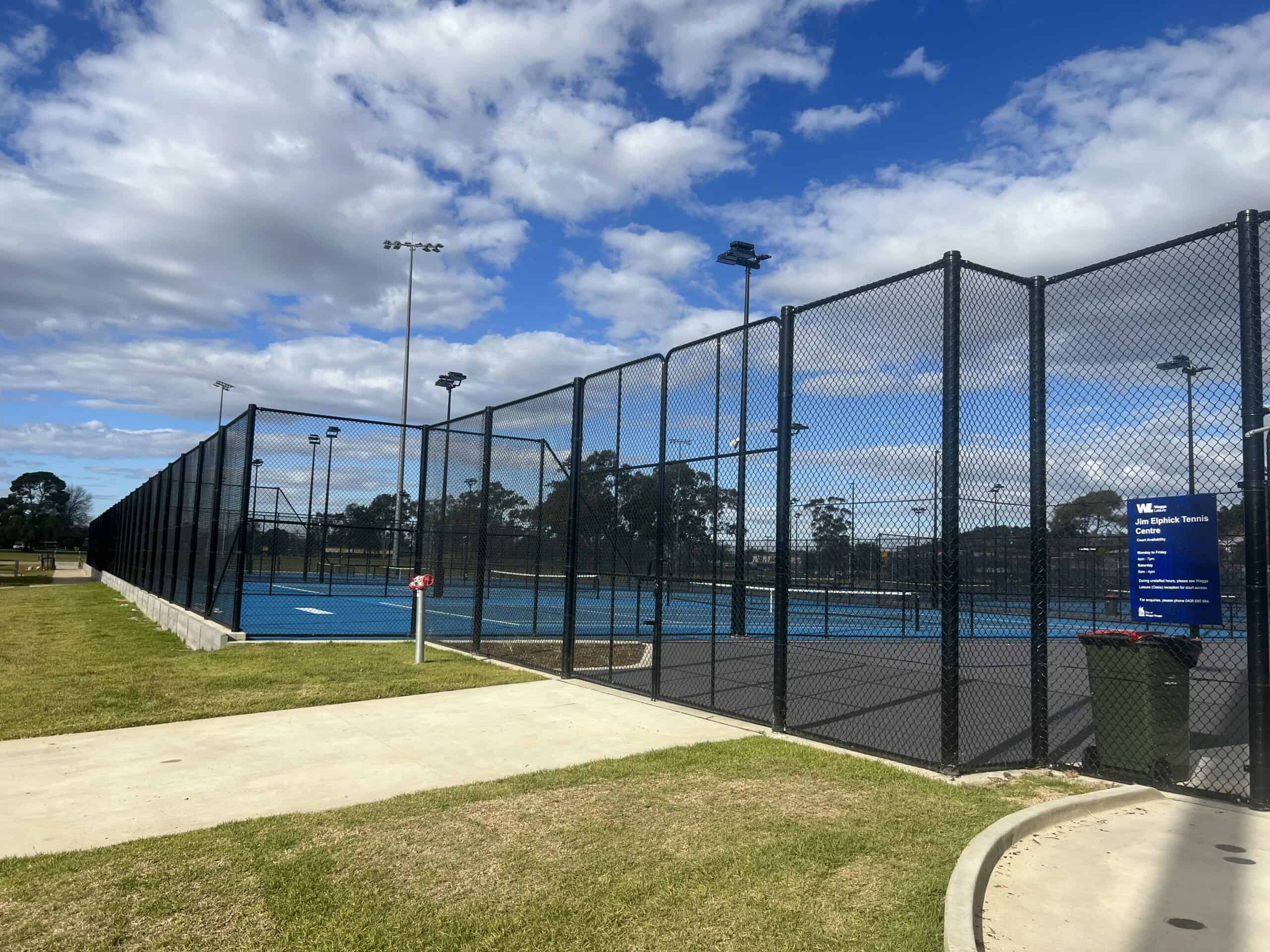
Five decades after a teenager bought his first chainwire machine on the New South Wales Central Coast, Profence is investing in automation, earning steelwork certification rarely seen among manufacturers, and helping shape Australia’s first dedicated high-security fencing standard.
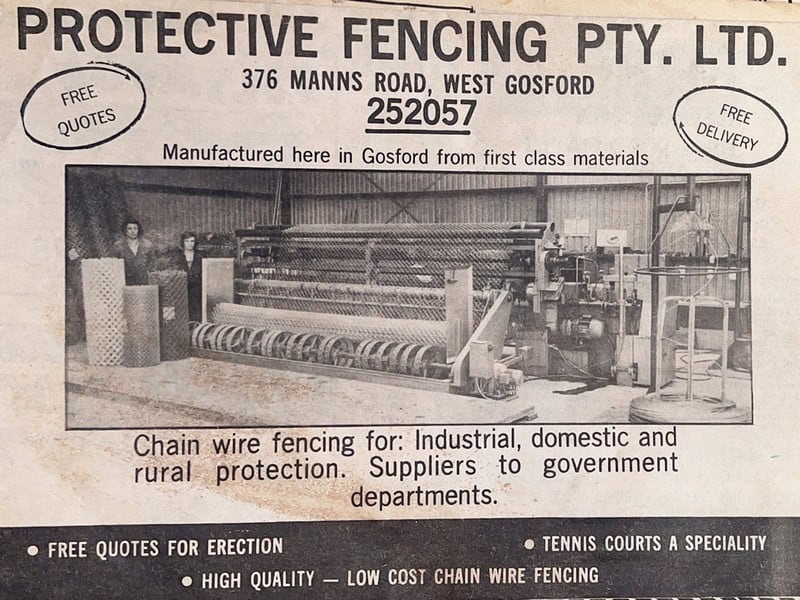
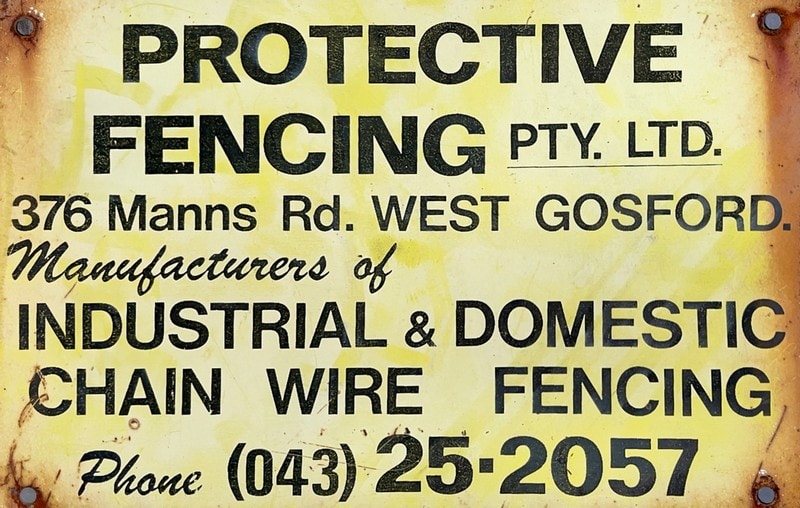
In 1975, 17-year-old Craig Gibbens started Protective Fencing with a single chain-link fabric fencing machine. Fifty years on, the business he founded supplies security fencing to commercial, industrial and government infrastructure projects across Australia.
The company marked its 50th anniversary in 2025 by launching a new name, Profence. It remains a family business, and it has rarely been busier.
“Fifty years is a milestone very few manufacturers reach, let alone family-owned ones,” says Director Samantha Swain. “Dad started with one machine and a lot of determination. Every investment we make today still comes back to that same idea: make it here, make it properly, and stand behind it.”
A legacy built on craftsmanship
The Gibbens’ manufacturing history began long before 1975, dating right back to 1907, when Mathew Gibbens started his apprenticeship at Australia’s first spring-making factory.
His son, George Gibbens, built on that foundation with an invention that changed the industry. The Gibbens machines automated the spring-making process. By 1937 the family had launched its own spring manufacturing business, and by the 1950s Gibbens machines were making their mark around the world.
Craig, the third generation of the family, inherited that same instinct for working with wire and steel. When he started Protective Fencing at 17, he was carrying a family tradition nearly 70 years in the making into a new trade.
A new generation at the helm
Craig’s son, James Gibbens, joined the business in 1999 as an engineering apprentice and went on to lead the company’s move into in-house steelmesh production. His sister, Samantha Swain, joined in 2018, bringing years of commercial experience in construction management.
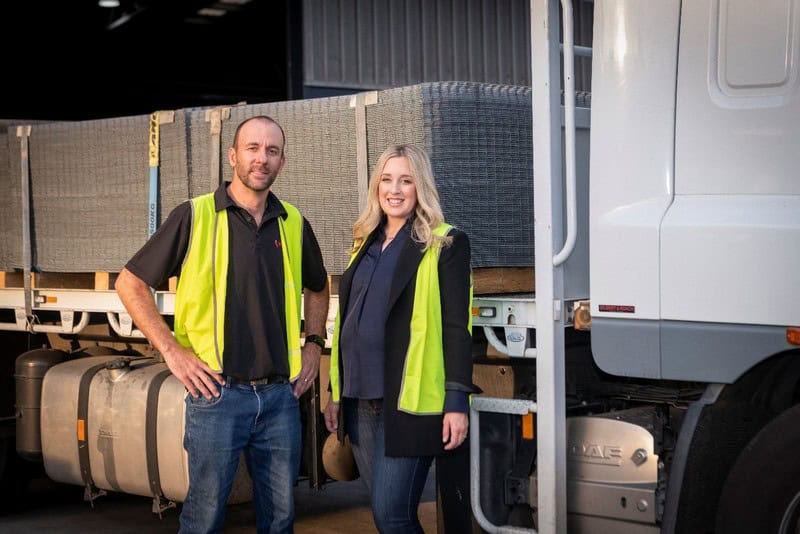
Since 2021, the two have run the company together, James as Director of Operations and Samantha as Director, with Craig stepping back into semi-retirement. Under their leadership, Profence has grown from its purpose-built base at Somersby, New South Wales, opened in 2006, into a national operation with facilities in New South Wales, Victoria and Queensland.
“James and I grew up around the factory, so we understand what Dad built and why it works,” Swain says. “Our job is to keep the values and keep moving. The industry has changed enormously, and our customers expect more than ever from their suppliers. We want to be ahead of that curve, not chasing it.”
Investing in automation
The pace of investment has stepped up in recent years. In 2022, Profence brought palisade roll-forming in-house, commissioned its first CNC plasma table and introduced an ERP/MRP system that feeds shop-floor data into production planning. A new beam line followed in 2024, improving efficiency, safety and precision. Robotic welding and digital design tools are now part of the production process.
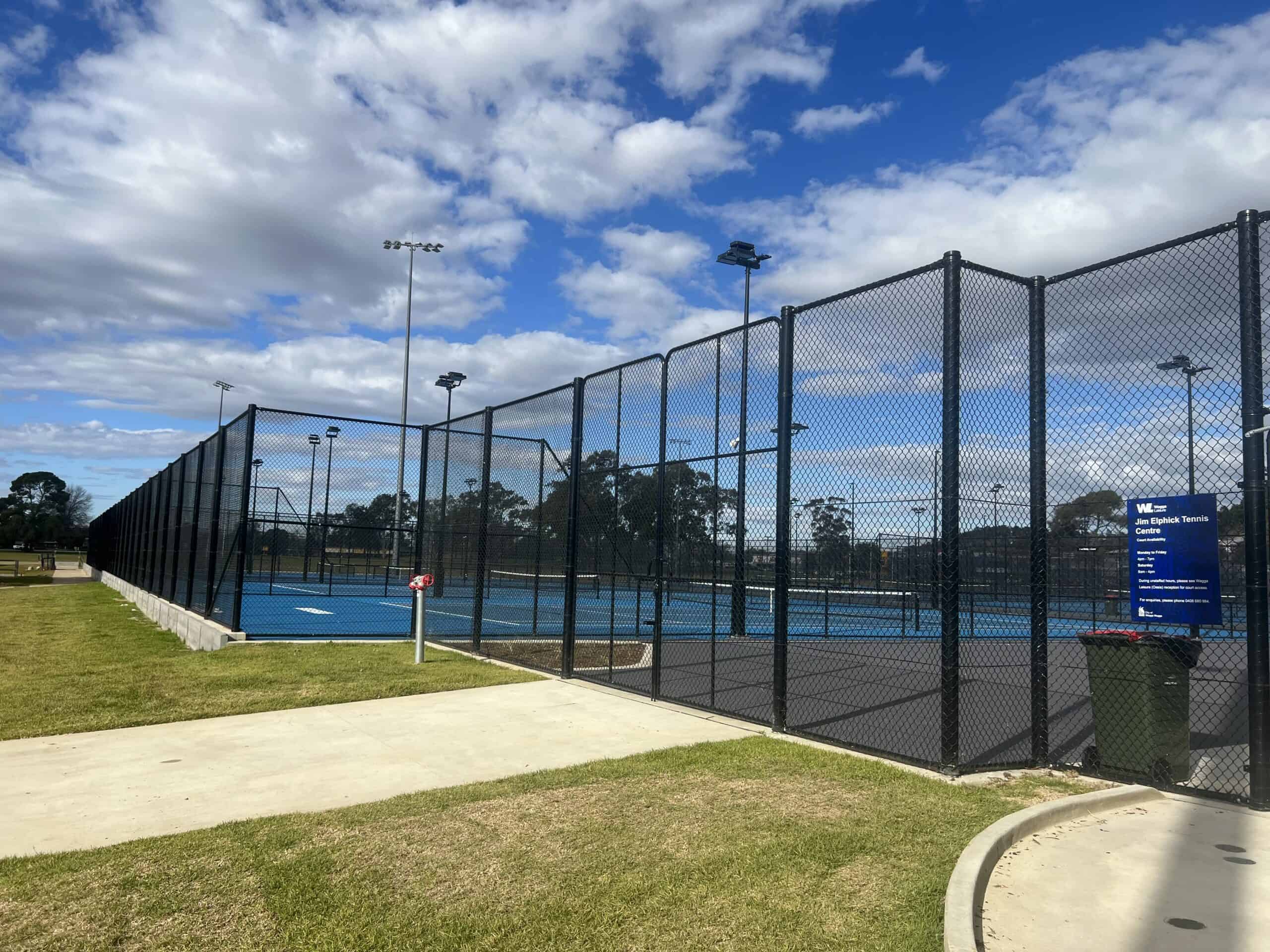
In 2025, the company acquired four chainwire machines, taking its fleet to ten. It also remains the only Australian manufacturer of stainless steel welded mesh, producing Grade 304 and 316 panels to specification. All of it is made from 100 per cent Australian-sourced raw materials, a point the company is proud of.
“Automation isn’t about replacing people. It’s about giving our team better tools,” Swain says. “It lets us hold tighter tolerances, deliver faster and offer full traceability. When you’re protecting critical infrastructure, that consistency matters. And knowing exactly where our steel comes from is part of that promise.”
Made here, in stainless
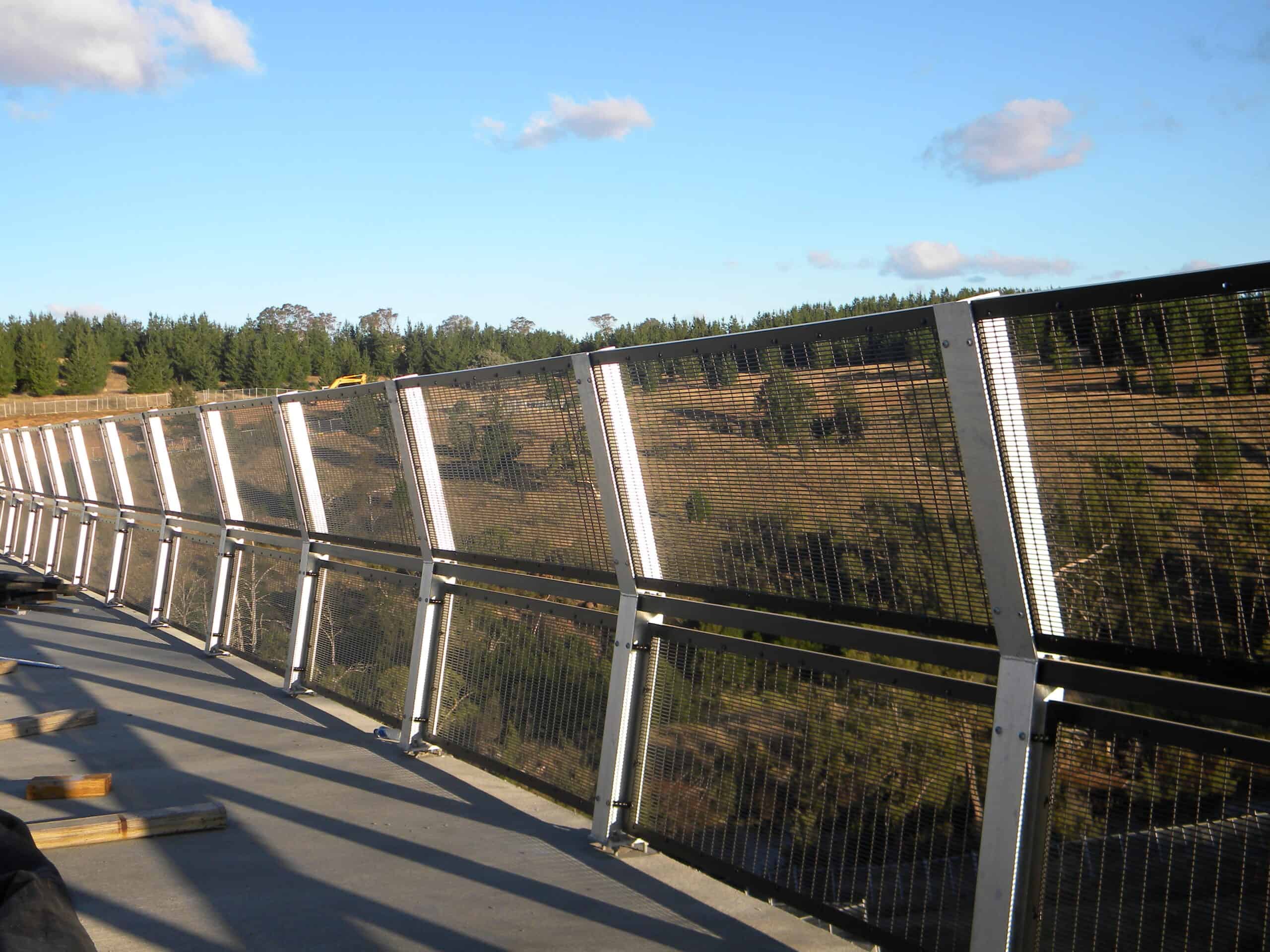
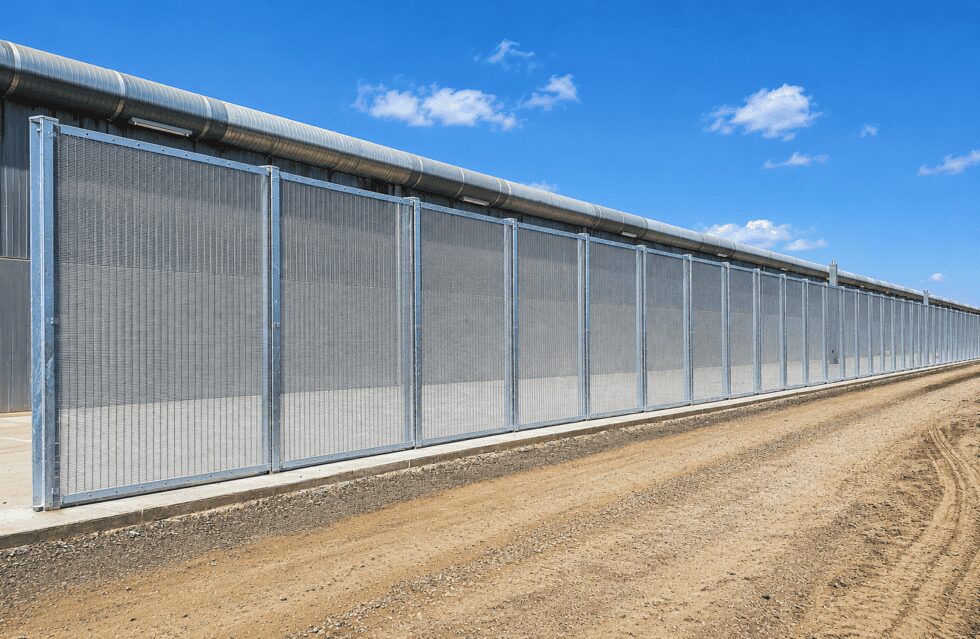
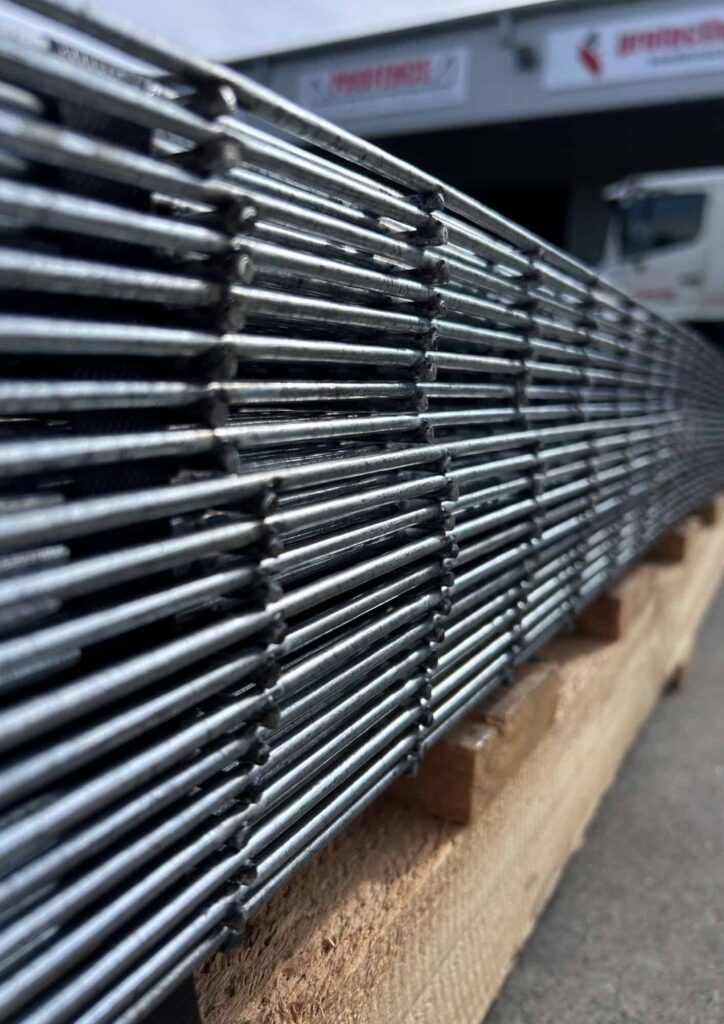
Profence is the only manufacturer of stainless steel welded mesh in Australia. At Somersby, a dedicated stainless-capable welding line produces Grade 304 and Grade 316 mesh for security, infrastructure, architectural and industrial work. Custom panels can be made up to 3010 × 4400 mm, with wire diameters from 3.15mm to 10mm. Every stainless panel is pickled and passivated, and material certification, weld testing and batch traceability are available.
The company also holds Australia’s only stock of 3m wide Grade 316 stainless 358 anti-climb panels, which can be dispatched nationally on the same day. Stainless 358 is increasingly specified for coastal utilities, correctional facilities, defence and transport sites. On those projects, corrosion resistance and low maintenance justify the higher upfront cost over the life of the fence.
“Stainless is a great example of why local manufacturing matters,” Swain says. “Clients in harsh coastal or industrial environments want a fence that will last for decades. Being able to make it here, to their specification, and get it to site quickly gives them real certainty.”
A rare certification
The Somersby facility now holds steelwork compliance certification to AS/NZS 5131 Construction Category 1 (CC1) through Steelwork Compliance Australia (SCA). Certification of this kind is usually associated with structural steel fabricators. Profence is one of only a handful of manufacturing companies to achieve it.
For specifiers and asset owners, this certification provides independent assurance that posts, frames, gates and fabricated components are produced under a recognised fabrication and quality system, not simply described as compliant.
“We didn’t have to do it, and that’s exactly why we did,” Swain says. “Security fencing is structural steelwork. Holding ourselves to the same standard as structural fabricators gives our clients confidence, and it shows the whole team what we’re capable of.”
Raising the bar on security
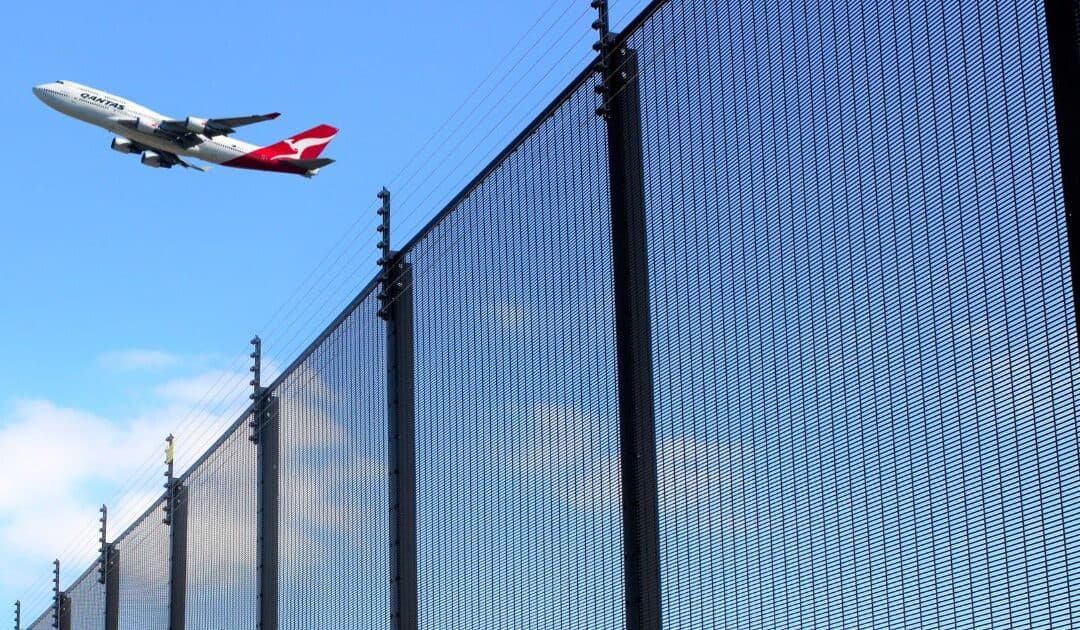
Innovation has long been part of the ProFence story. In 2022, the company developed Promax™ 358, a high-security fencing system that needs fewer posts and less civil work without compromising security. The system was named Product of the Year for Physical Security at the 2023 Australian Security Industry Awards.
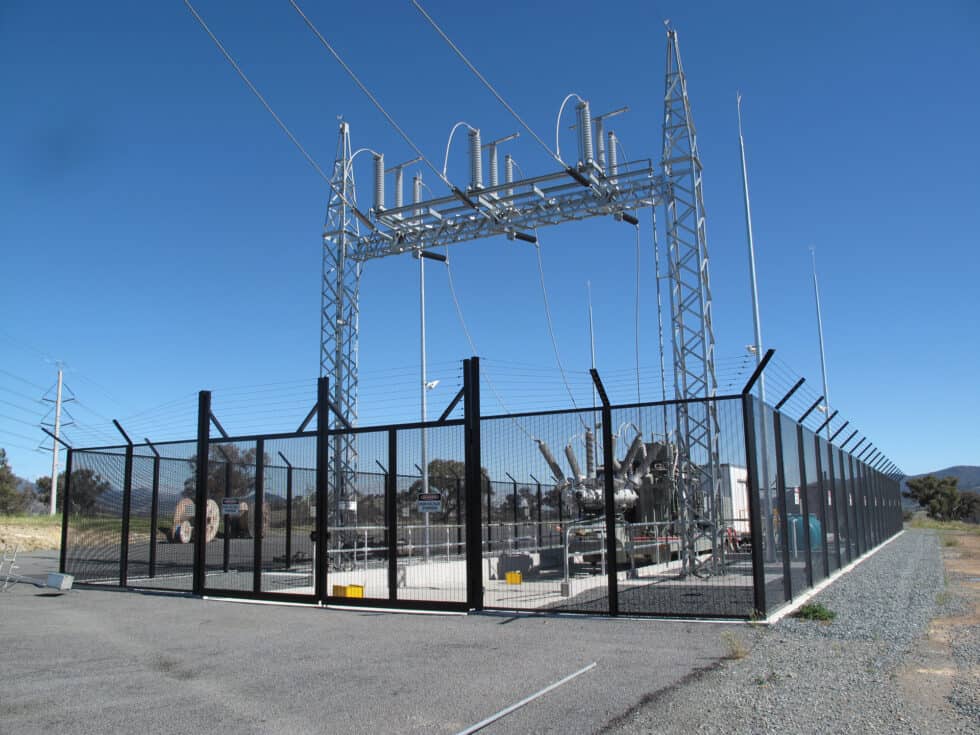
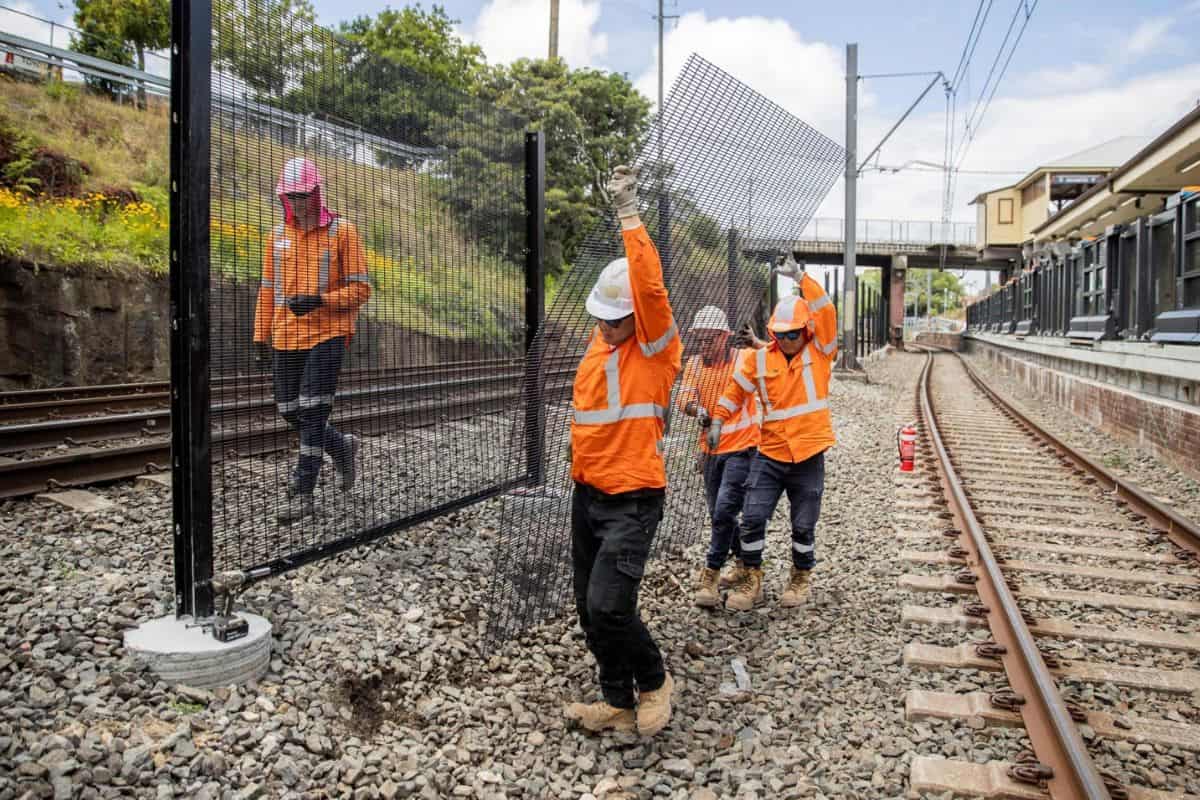
The Promax™ 358 anti-climb mesh fencing is an Australian-made, high-security perimeter system designed to resist climbing, cutting and penetration. The close-spaced security mesh is available with engineered T-post and UC-post systems for critical infrastructure, correctional, defence, utility and commercial projects.
“Our customers are protecting assets that really matter, from substations and water infrastructure to airports and defence sites,” Swain says. Promax™ 358 delivers stronger delay and deterrence, made in Australia and backed by the people who designed it.”
A standard of its own
Demand for high-security fencing is growing, and the standards are catching up. For years, Australian specifiers relied largely on British Standards for high-security fencing. AS 5394:2026 changes that. It is the first dedicated Australian standard for high and extra-high security anti-personnel steel fences with anti-climb panels or vertical members. An update to AS 4100, the steel structures standard that underpins posts, frames, gates and connections, is progressing alongside it.
Public comment on both drafts closed in June 2026, and they are now moving towards publication. Swain and Profence General Manager Ben Gregson contributed to their development alongside engineers, industry leaders and standards committee members. It continues a family tradition: Craig Gibbens helped develop AS 1725:2003 for chain-link security fences and gates.
“A clear, dedicated standard is good for everyone,” Swain says. “Specifications become easier to write, tenders easier to compare, and it becomes much harder to pass off a lookalike product as high security. For manufacturers who have invested in quality, it helps to level the playing field.”
“For the broader construction industry, the flow-on effects are substantial. Designers gain a more accurate framework. Engineers gain clearer guidance. Asset owners gain greater confidence in the structural performance of what they are buying.”
People first, next 50 years
Behind the products is a team guided by six values: tenacity, quality, integrity, sustainability, respect and accountability. Profence has also made diversity and inclusion a priority, and that commitment now extends beyond its own workforce.
The company is a founding collaborator in ManufactHER, a program funded through the Australian Government’s Building Women’s Careers program. It aims to transform advanced manufacturing on the NSW Central Coast by breaking down the barriers that keep women out of the sector. Led by Central Coast Group Training, ManufactHER brings together Profence, Central Coast Industry Connect, Coast and Country Primary Care and a group of local manufacturers to pilot flexible roles, inclusive recruitment and leadership pathways for women. A further six manufacturers will join once the pilot is established, and the program is designed as a scalable model that could be rolled out nationally.
“Manufacturing has a real opportunity to open its doors wider, and the Central Coast is a great place to show how it can be done,” Swain says. “Through ManufactHER, we’re working alongside other local manufacturers to make our workplaces more flexible and inclusive, and to show women that there’s a rewarding career for them in our industry.”
“Our people are the reason we’ve lasted 50 years,” Swain says. “The equipment, the certifications and the new products all matter, but it’s the team that makes them work. We’re building a business where people want to stay, and where the next generation of manufacturing talent can see a future.”
As for the next half-century, the family is clear about the direction. “We’re proud of where we’ve come from, but we’re not done,” Swain says. “There’s more investment coming, more innovation, and a real opportunity for Australian manufacturers to lead. We intend to be part of that for another 50 years.”
For more information, visit: https://profence.com.au/