In steel fabrication, a bad hire rarely shows up as a single, neat line item.
Most businesses can calculate the obvious costs: the hourly wage, recruitment fee, induction time or a few unproductive shifts. But in a fabrication workshop, where high-value materials, skilled trades, tight tolerances, safety-critical processes and unforgiving delivery schedules all intersect, the real cost can be far greater.
A poor hire can trigger rework, material waste, failed quality checks, safety incidents, project delays, site disruption and damaged client relationships. Just as importantly, they can affect workshop culture, placing extra pressure on the experienced tradespeople who are left to fix mistakes, maintain output and keep projects moving.
For Chadi Bazzi, Managing Director of Talentblue, the hidden cost of a bad hire is something many fabricators underestimate until it is already affecting the bottom line.
“The cost of a bad hire is never just the wage,” Bazzi said. “In fabrication, one poor decision can ripple right through the workshop—lost productivity, rework, wasted material, delayed deliveries and pressure on the rest of the team. Often, the biggest cost comes later, when you’re paying good tradespeople to fix work that should have been done right the first time.”
Talentblue, an Associate Member of the Australian Steel Institute, provides labour hire and workforce solutions across manufacturing, construction, infrastructure, mining, maintenance and shutdowns. For steel fabricators, that often means sourcing skilled boilermakers, welders, riggers, crane crews and other tradespeople who are not only qualified, but also suited to the specific demands of the worksite or workshop.
Skills + Attitude
According to Bazzi, the first mistake businesses make is treating labour as a simple numbers game.
“When hiring someone, skill set is on one side and attitude is on the other,” he said. “They might have the best skills, but the worst attitude. That can turn into a toxic environment or create industrial relations issues with other team members.”
In fabrication, both sides of that equation matter. A worker without the necessary technical skill can misread drawings, misunderstand weld requirements, produce work that fails inspection, or fabricate components outside tolerance. A worker with the wrong attitude can cut corners, ignore safety procedures, resist supervision or undermine the productivity of the team.
Either scenario can quickly become expensive.

The domino effect
The most obvious impact is rework. Steel, consumables, labour and energy are all significant costs. When a fabricator or welder makes an error, the business may lose not only the material but also the time required for someone else to grind out a faulty weld, re-cut steel, re-drill cleats, repair a component or start again. If non-destructive testing identifies a weld defect, the rectification process can be slow and costly.
But the bigger risk is when the issue is not identified in the workshop.
Bazzi points to the example of a beam fabricated incorrectly and sent to site. “If the quality assurance process does not catch the issue, the beam may be loaded onto a truck, transported, unloaded and lifted by a crane crew before anyone realises it does not fit.”
“By that stage, the cost is no longer just a workshop problem. Transport has been paid for twice. Crane crews, riggers and site personnel may be delayed. Installation windows may be missed. On fixed-price work, margins can disappear quickly. On time-sensitive projects, the damage can flow through to the client’s program and the fabricator’s reputation,” said Bazzi.
This domino effect is particularly acute in steel because fabrication relies on workflow. If one process slows down, the impact is felt by the next. A worker who cannot read drawings properly may hold up fit-up. A welder whose work repeatedly fails inspection can delay blasting, painting and dispatch. A bottleneck at one station can leave other trades waiting, trucks rescheduled and site teams exposed.
The cultural cost
Then there is the cultural cost. “In many workshops, high performers quietly absorb the impact of a poor hire. They correct mistakes, redo work, compensate for lost productivity and help protect delivery dates. Over time, that can lead to frustration and fatigue. Businesses also need to recognise the effect of a poor attitude on the broader team,” said Bazzi.
That team effectiveness is increasingly important as fabricators manage high input costs, labour shortages, compressed project timelines and volatile market conditions. Every workshop needs skilled tradespeople who can contribute safely and consistently.
Safety is another critical part of the equation. Fabrication workshops and construction sites involve high-risk activities: welding, cutting, grinding, cranes, mobile plant, heavy steel members, working at height and complex lifting operations. A poor hire is not simply a productivity risk; they can become a safety risk.
“For fabricators, the question is simple: what is the true cost if the wrong person cuts corners and an incident occurs on site?” Bazzi said. “It is not just the immediate disruption. There can be WorkCover implications, higher premiums, lost productivity, pressure on the rest of the team and reputational damage. That is why we tell clients never to compromise on process, quality or safety when making hiring decisions. The cheapest option can very quickly become the most expensive decision.”
Recruitment as risk management
For employers, the lesson is that recruitment must be treated as a risk management process, not simply an administrative task. Talentblue’s approach is based on customising the hiring process to suit each client’s environment and work requirements.
“Our process is very defined,” Bazzi said. “All labour hire processes have due diligence, compliance and reference checks. It is essential to maintain the process, and customise it to suit client needs.”
“For trade roles, practical testing is essential. A resume may say a candidate can weld, fabricate or interpret drawings, but the workshop will reveal whether that is true.”
Talentblue encourages practical trade testing aligned to the actual job requirements, whether that involves reading workshop drawings, interpreting weld symbols, performing specific welds, or demonstrating an understanding of the complexity of the role.
“Anyone can sell themselves in an interview,” Bazzi said. “But you can’t sell a trade test. You are either going to pass or fail. It is black and white.”
Behavioural assessment also starts earlier than many people think. “The behavioural interviewing already starts when the trade tests are happening,” Bazzi said. “Did they turn up on time? How do they greet us? Did they follow instructions to get on site? Did they wear the PPE? Are they twenty paces behind you, or next to you asking questions?”
Hire on attitude
Bazzi said clients are increasingly placing attitude at the centre of the decision-making process.
“That old saying has never been truer: hire on attitude and train on skills,” he said. “More and more, we are getting clients saying, ‘If they have the right attitude, I can train them to do anything.”
Hiring in fabrication should never be a game of roulette. The cost of getting it wrong can be measured in wasted steel, failed welds, rework hours, delayed deliveries, safety incidents, WorkCover premiums, frustrated teams and disappointed clients.
For steel businesses, the answer is not simply to hire faster. It is to hire better: test properly, check thoroughly, assess attitude, understand the work environment and resist the temptation to compromise when the pressure is on.
As Bazzi put it, fabricators should ask themselves a hard question: what have your bad hires really cost you? The answer is almost always more than a wage.
For more information, visit: https://www.talentblue.com.au/
Talentblue’s practical tips to prevent bad hires
The best way to handle a bad hire is to never hire them in the first place. Relying purely on a polished resume or a charismatic interview is a gamble. Here is how you can bulletproof your hiring process.
Rigorous, behaviour-based vetting
Do not just ask where they have worked; ask how they work. Probe into their problem-solving skills and safety mindset.
- Ask situational questions: “Tell me about a time you noticed a safety hazard on the floor that wasn’t your responsibility. What did you do?” or “Walk me through how you handle discovering a mistake on a drawing after you’ve already started cutting.”
- Conduct thorough reference checks: Call previous supervisors, not just HR departments. Ask specifically about their reliability, teamwork, and attitude towards rework.
Mandatory trade testing (show, don’t tell)
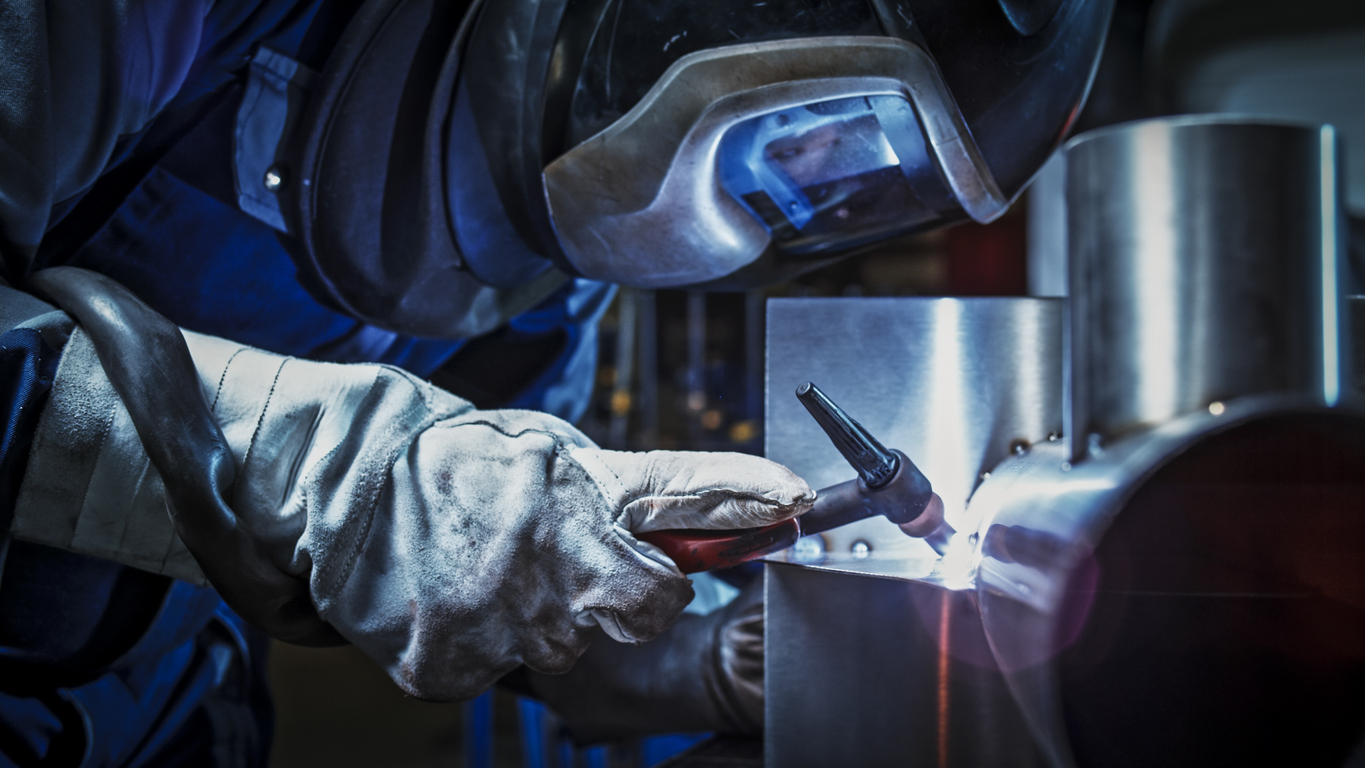
A resume can say a candidate is an expert in TIG welding stainless steel, but the torch never lies. Never hire a fabricator or welder without a practical trade test.
- Weld tests: Have them perform the specific welds they will be doing on the job (like a 3G or 4G flux-core test). Have your QA or leading hand inspect it.
- Blueprint literacy: Hand them a standard workshop drawing and ask them to explain the weld symbols, calculate a quick dimension, or explain the sequence of assembly.
Assess site readiness and cultural fit
Technical skills are crucial, but attitude is everything. You need to know they can handle the environment.
- The walk-around: Take them on a tour of the workshop. Pay attention to how they behave. Do they naturally put on safety glasses? Do they ask intelligent questions about your machinery or the projects on the floor?
- Trial periods: Whenever possible, utilise a probationary period or hire through a labour-hire agency. This gives you a few weeks to assess their punctuality, work ethic, and how they mesh with the rest of the crew before committing to a permanent contract.