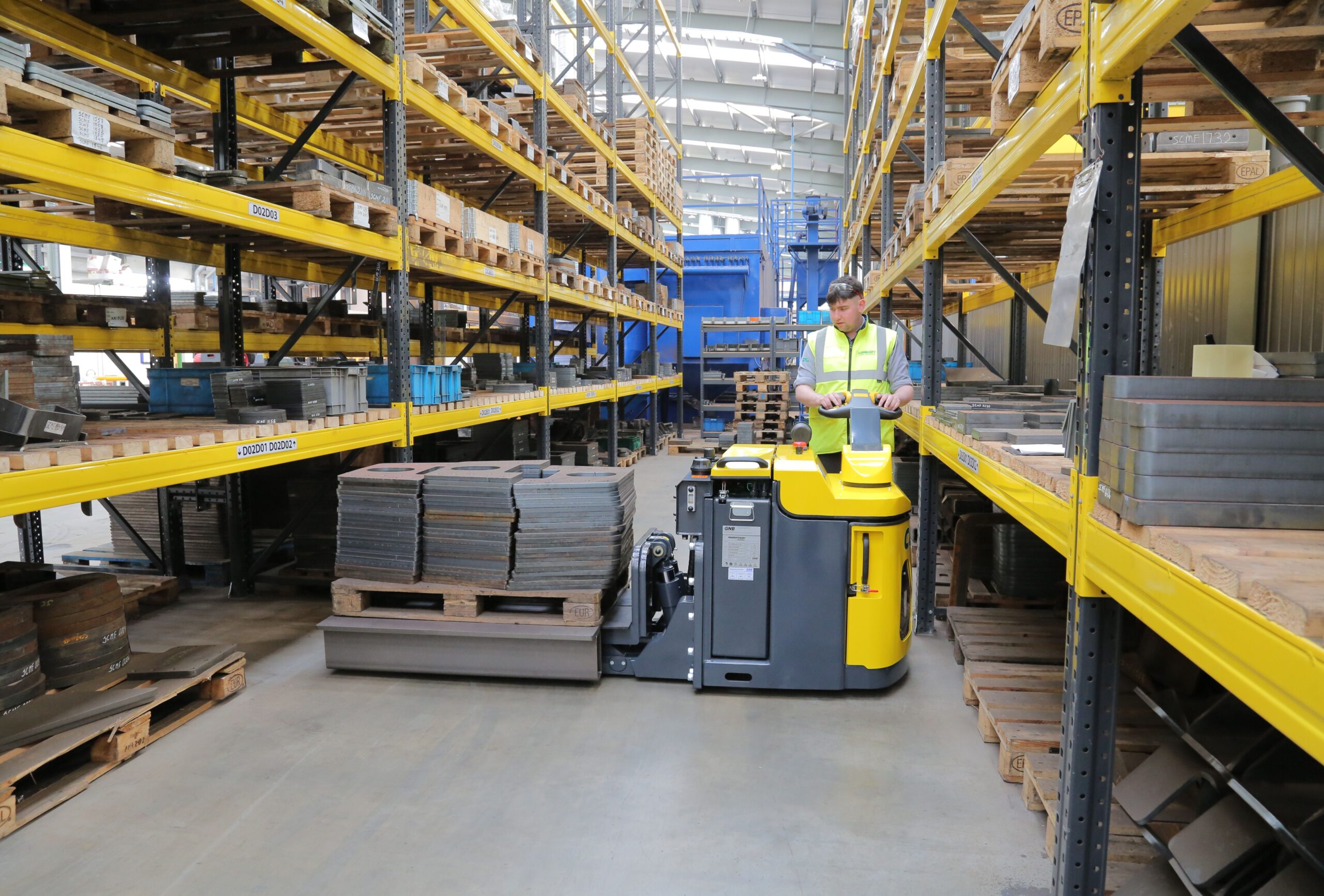
Workplace safety remains a top priority across Australia’s steel sector. As safety expectations continue to rise, steel fabricators are rethinking how materials are moved through workshops and storage facilities.
From long steel beams and coils to oversized fabricated sections, handling these heavy and awkward loads remains one of the industry’s ongoing operational challenges.
Traditional forklifts often struggle with these types of loads. Wide turning circles limit their manoeuvrability, leading to lost time and inefficient space utilisation. To navigate tight corners or narrow aisles, operators may need to reposition the load, which increases handling time and the risk of product damage, collisions and workplace incidents.
For steel businesses handling these products every day, using equipment that is not purpose-built for the task can compromise both safety and efficiency. Consequences can include damaged stock and infrastructure, equipment downtime or disrupted workflows.
As National Forklift Safety Day approaches, Irish manufacturer Combilift is highlighting how specialised material handling equipment can help reduce risk while improving operational performance.
For nearly three decades, Combilift has focused on solutions for safely handling long and oversized loads. With more than 100,000 units operating across 85 countries, the company has established a strong presence in Australia’s steel industry.
According to Combilift Australia Country Manager Chris Littlewood, steel has played a key role in the company’s growth in the country.
“Of the first 10 trucks sold into Australia more than 20 years ago, seven were sold into the steel industry,” says Littlewood. “Customers at the time included Industrial Galvanisers, Southern Queensland Steel and Palmer Tube Mills. Many of those early customers are still operating Combilift equipment today.”
Purpose-built for steel handling
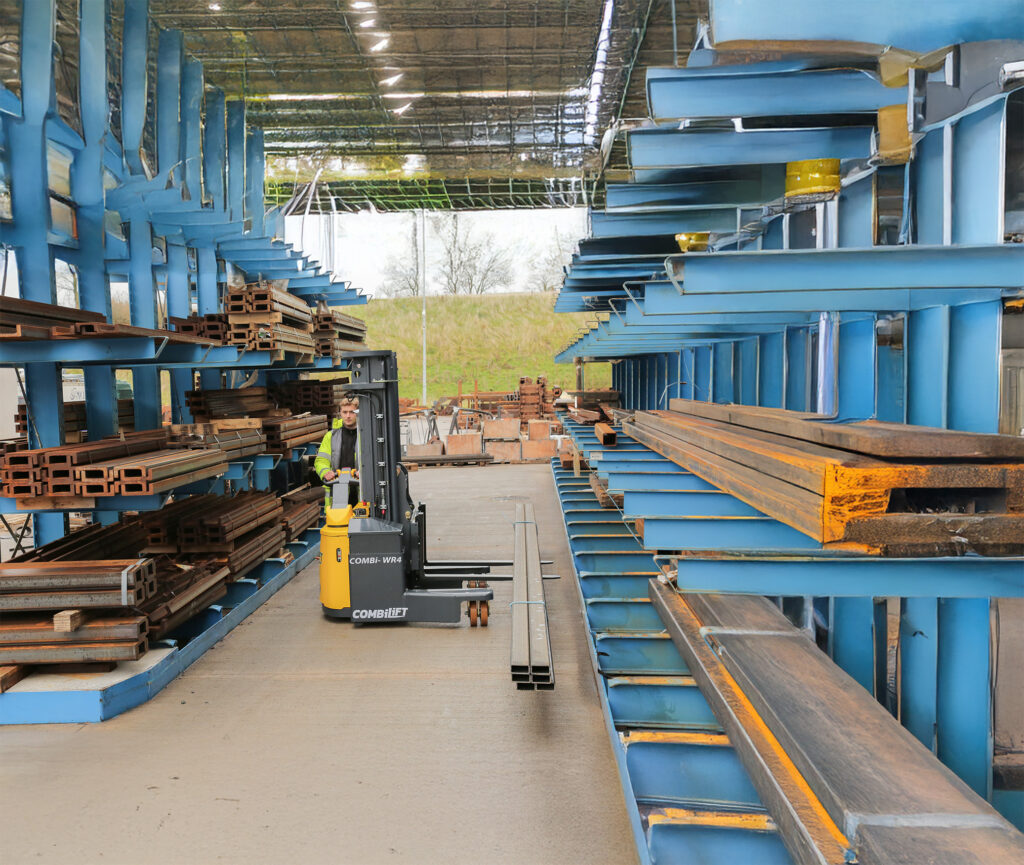
Steel products such as beams, pipes, coils and fabricated sections can be difficult to transport safely in busy production environments.
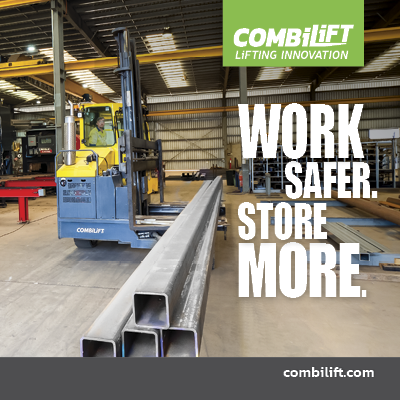
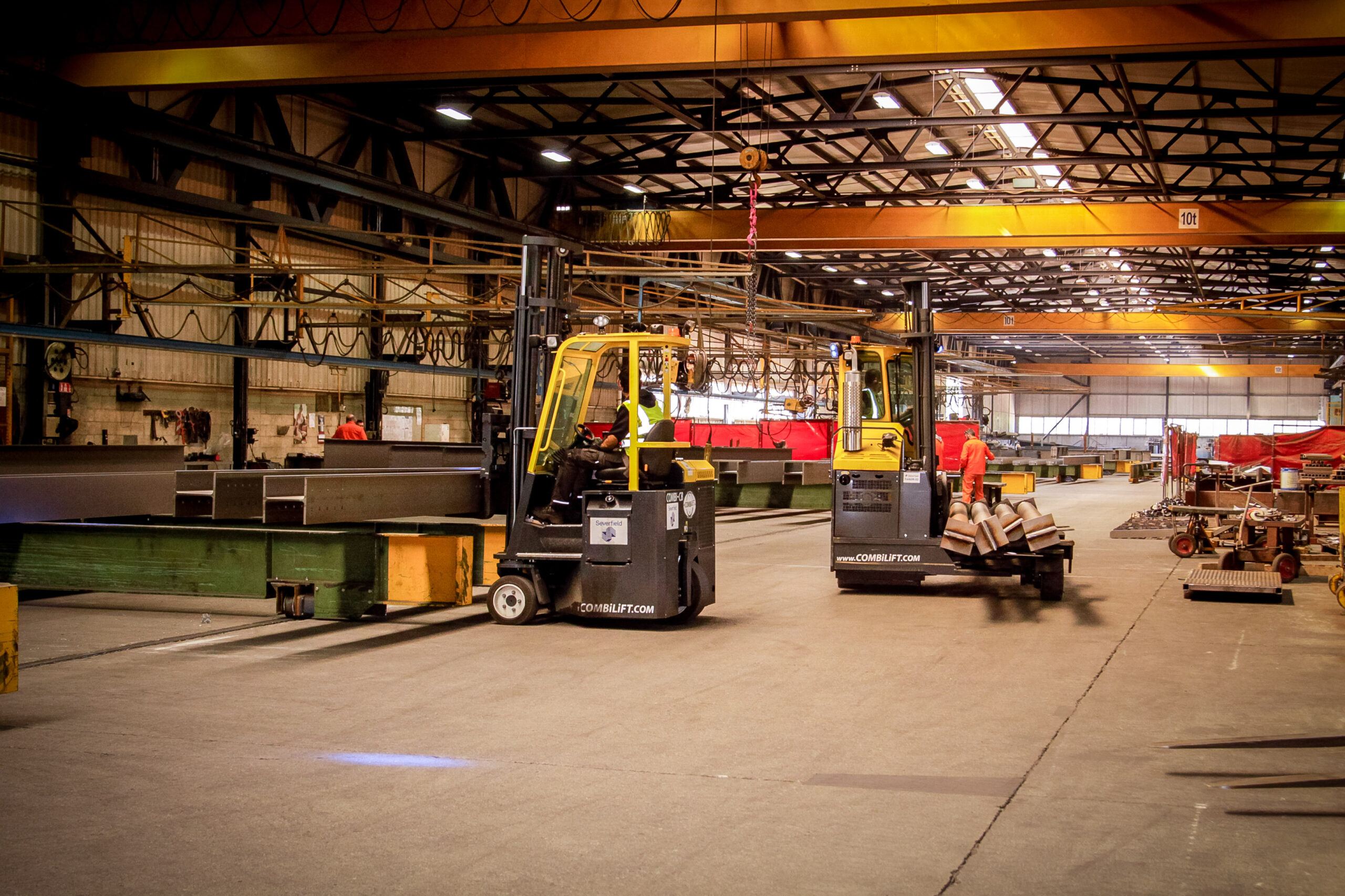
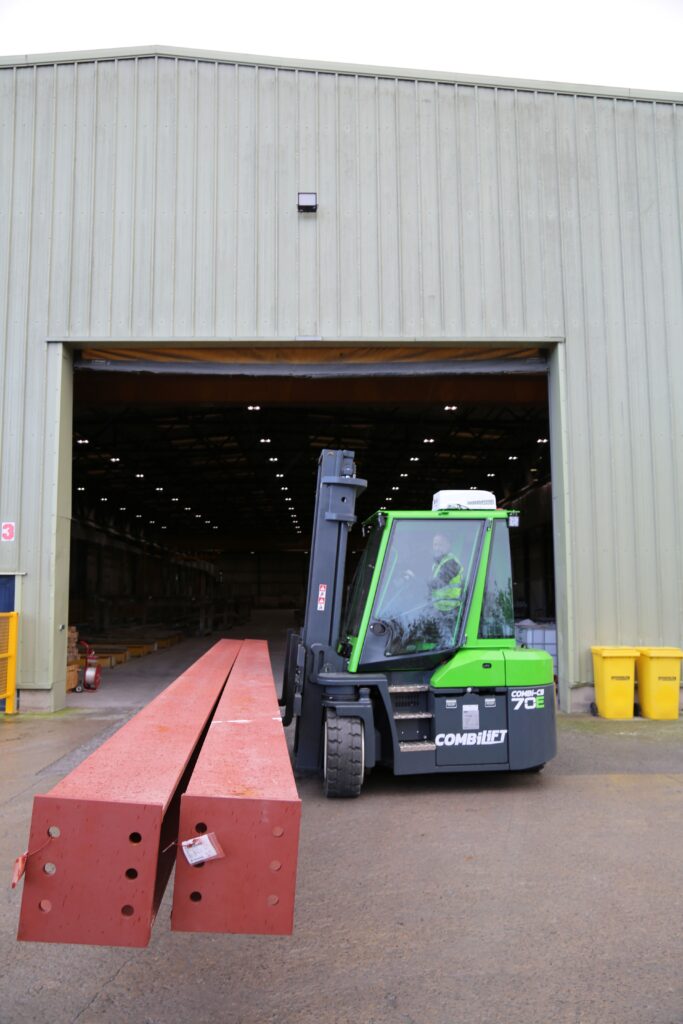
Combilift’s multidirectional C-Series and CB forklifts are designed specifically for these applications. They operate like conventional forklifts, moving forward and backwards, but with the ability to change the direction of the wheels and travel sideways at the flick of a switch.
This multidirectional capability allows sideways navigation, eliminating the need for elevated loads when manoeuvring around machinery, obstacles, or parked vehicles in restricted areas. Improving manoeuvrability in confined spaces helps reduce the risk of damage to products, facilities, and equipment while creating a safer operating environment. The result is a more efficient material handling process that supports safer operations, improved turnaround times and stronger overall productivity.
The ability to operate effectively in narrower aisles also enables businesses to maximise storage density and make better use of valuable floor space.
Maximising storage space
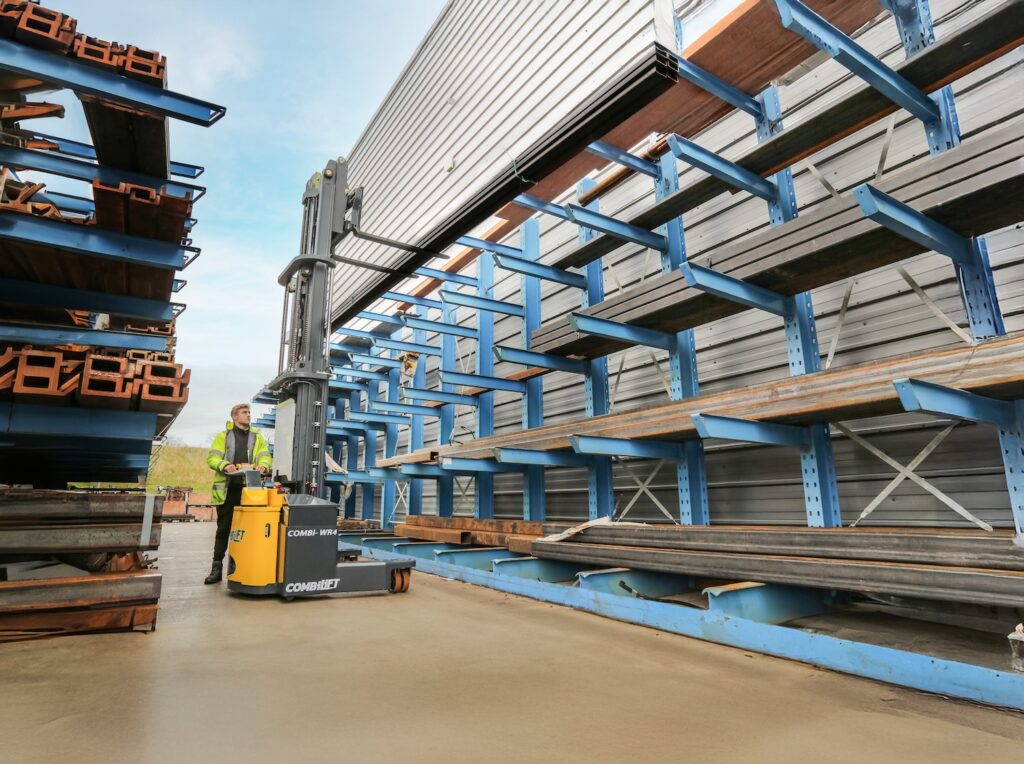
With industrial land and facility costs continuing to rise, making the most of existing space has become a priority for many steel fabricators. Material handling equipment can play a significant role in improving storage capacity without the need for costly building expansions.
Combilift’s multidirectional forklifts are designed to operate efficiently in narrower aisles than conventional forklifts, allowing businesses to increase storage density in their existing facilities, while maintaining safe and efficient access to materials. By optimising available floor and yard space, facilities can improve workflow, reduce congestion and maximise the value of their existing infrastructure.
These space-saving benefits can also contribute to broader sustainability goals by reducing the need for greenfield expansion and improving overall operational efficiency.
Efficiency and sustainability
Beyond safety and operational efficiency, many companies in the steel industry are also focused on reducing emissions and improving the sustainability of their operations.
Reflecting this shift, Combilift has made sustainability a core focus of its product development, with 98% of its R&D investment dedicated to energy-efficient and electric equipment. Today, electric models account for more than 70% of the company’s production.
“As a company, we’re inherently focused on sustainable solutions,” says Littlewood. “I believe that the future is green, in more ways than one with Combilift. We’re going to continue to grow our business organically with a key focus on R and D and building products that adhere to our three pillars: improving safety, maximising storage and increasing efficiency.”
Combilift’s CEO and Co-Founder Martin McVicar highlights: “Almost every model in our extensive range of products is now available with electric power. The ever-increasing lift capacities will answer the demand for more powerful products, which at the same time help companies to achieve their aims for more sustainable operations”
Get in touch
Discover how Combilift can transform your steel-handling operations, improving safety, efficiency, and sustainability while maximising your available space.
Visit Combilift.com for more information.